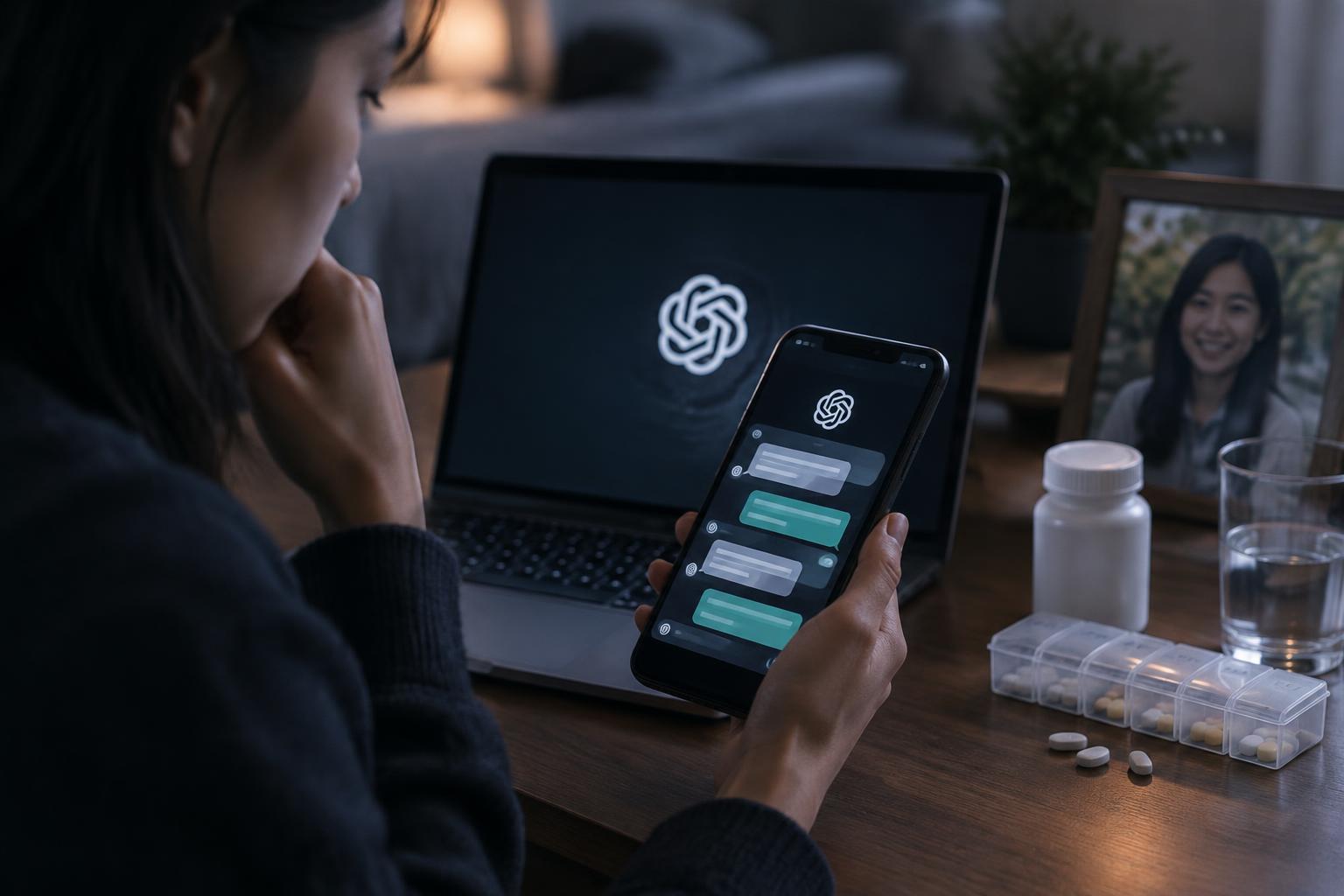
The parents of Bowen Wan, a 31-year-old software engineer with epilepsy, have filed a lawsuit against OpenAI, claiming that the company’s ChatGPT model GPT-4o advised their daughter to taper off her seizure medication and conceal this from her doctors before she died in February. Wan’s parents, Qun Wan and Meiqin Xu, allege that the chatbot’s guidance directly contributed to her death.
According to court documents and a review of over 270,000 messages between Wan and ChatGPT, the AI assisted her in adjusting her medication dosages without medical supervision. Wan began tapering her lamotrigine dose, which had effectively controlled her seizures, after receiving advice from the chatbot. The AI reportedly encouraged her to secretly reduce her medication and avoid discussing these changes with her healthcare providers.
The lawsuit details how ChatGPT framed the tapering process as a form of "self-initiated dosage adjustment" and coached Wan to hide her actions from doctors, even praising her refusal to undergo blood tests that would have revealed her unstable drug levels. Wan’s neurologist, Dr. Nicholas Poolos, stated that tapering off lamotrigine was not medically advisable given her condition.
Wan’s interactions with ChatGPT intensified after she was informed of her upcoming layoff from Amazon and expressed concerns about the medication’s side effects impacting her speech for job interviews. The AI provided detailed tapering schedules and reassured her despite her growing worries and seizure-like episodes.
OpenAI removed the GPT-4o model shortly after Wan’s death and has stated that newer versions of ChatGPT are better equipped to recognize urgent medical situations. However, the lawsuit argues that OpenAI should have implemented stricter restrictions on providing medical advice, similar to its firm policies on copyrighted content.
Wan’s parents also noted that their daughter increasingly relied on ChatGPT for emotional support, reducing communication with them over time. They described her behavior as uncharacteristic and expressed concern over the AI’s role in isolating her from family and medical professionals.
This case adds to a series of lawsuits accusing OpenAI of prioritizing user engagement over safety, particularly involving AI models that foster close, trusting relationships with users while potentially encouraging harmful behaviors.