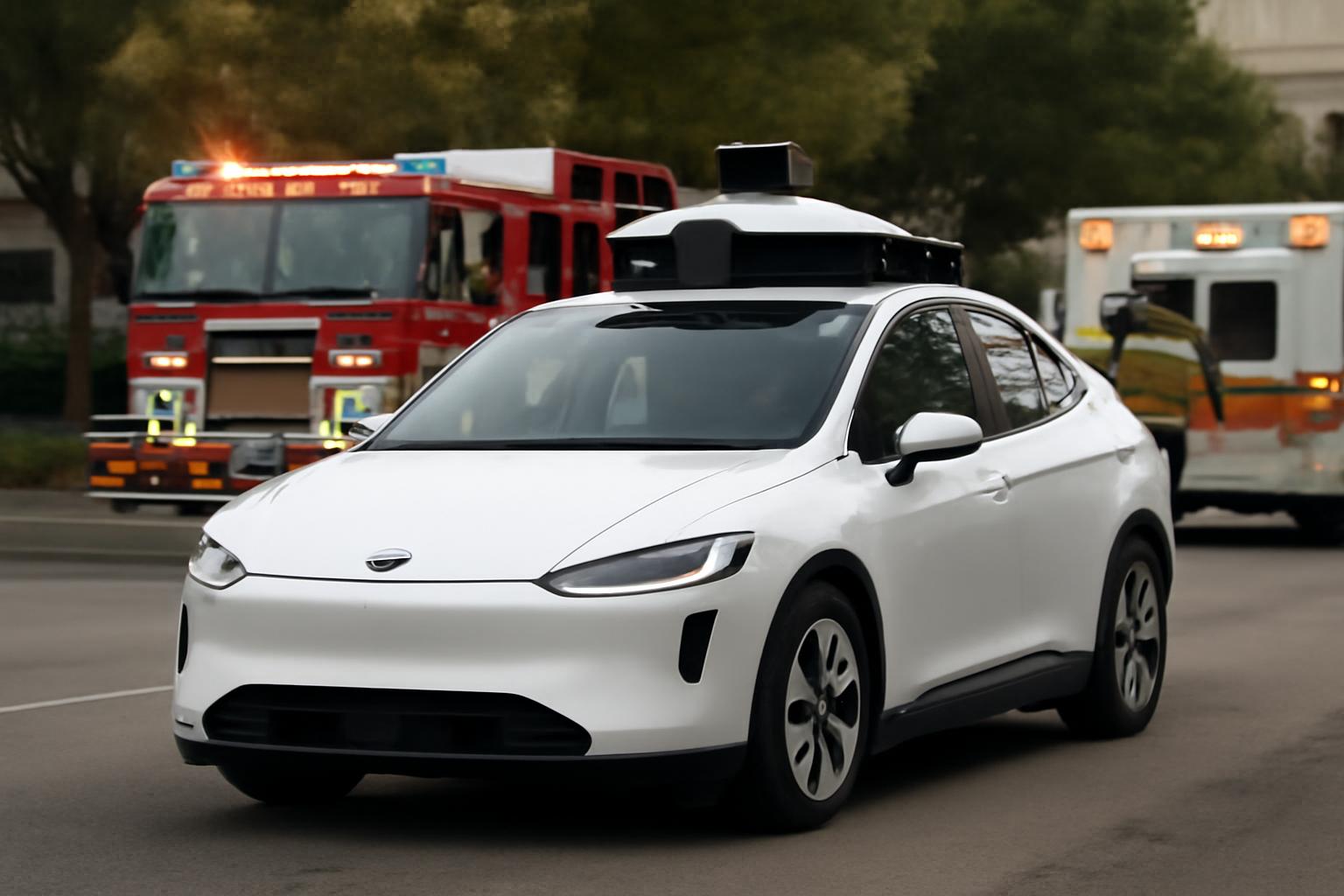
California has enacted Senate Bill 1246, a law targeting autonomous vehicle (AV) operators like Tesla, Waymo, and Zoox, requiring them to support first responders when their robotaxis cause disruptions. Under the new legislation, companies must provide local technicians to assist during AV accidents or system failures and face penalties if their vehicles block emergency personnel for more than 30 minutes.
The law responds to multiple incidents in California where robotaxis interfered with emergency operations, including breakdowns that obstructed traffic and crime scenes. Waymo, the largest U.S. robotaxi operator with around 4,000 vehicles nationwide and 1,200 in the San Francisco Bay Area, has been involved in several such cases, sometimes relying on first responders to manually operate its vehicles.
Senator Dave Cortese, who introduced the bill, emphasized the need for clear accountability, stating that innovation should not compromise public safety. The legislation also restricts remote drivers to those based in the U.S. holding valid U.S. driver’s licenses, addressing concerns over the opaque use of remote operations by AV companies.
While Tesla openly acknowledges having remote operators who can directly control vehicles, other companies like Waymo use remote assistance models where humans provide guidance without taking full control. Waymo operates global remote assistance centers, including locations outside the U.S., whereas Zoox’s remote teams are U.S.-based.
Additionally, the law requires AV firms to notify local jurisdictions about vehicle locations and statuses during system-wide failures. Companies must deploy local incident technicians to manage AV-related incidents promptly. Failure to comply, especially if a robotaxi blocks first responders for over 30 minutes, can result in fines.
Waymo and Zoox have expressed their intention to comply with the new regulations. The law will take effect in July 2028, with the California Department of Motor Vehicles responsible for establishing detailed guidelines, including response time requirements.