Latest technology news covering important developments across the technology industry.
October 28, 2026•1 min read
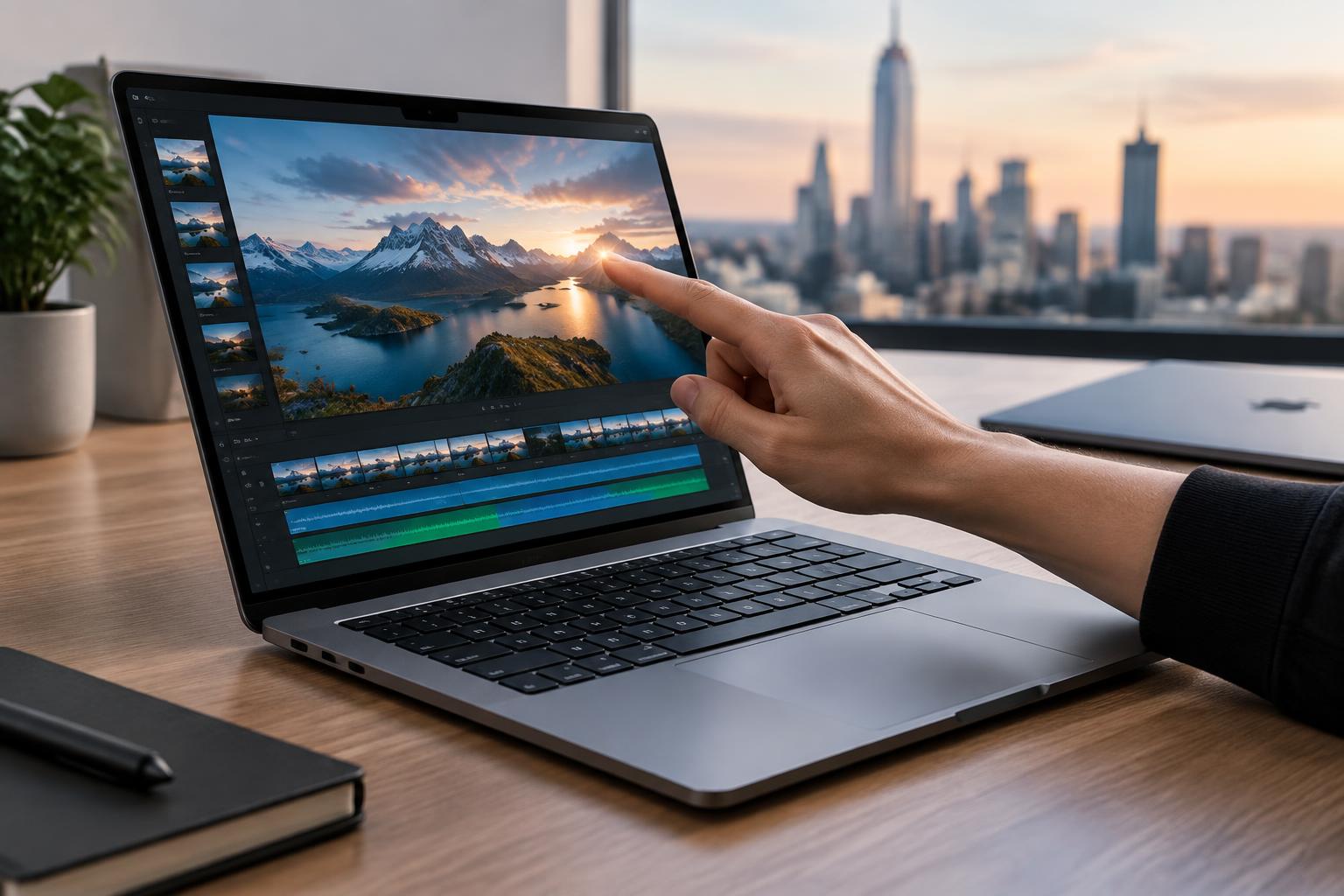
Apple has introduced a touchscreen MacBook Pro starting at $2,899, with fully upgraded models reaching $14,549, featuring the new M5 Max chip and expanded memory and storage options.
October 27, 2026•1 min read
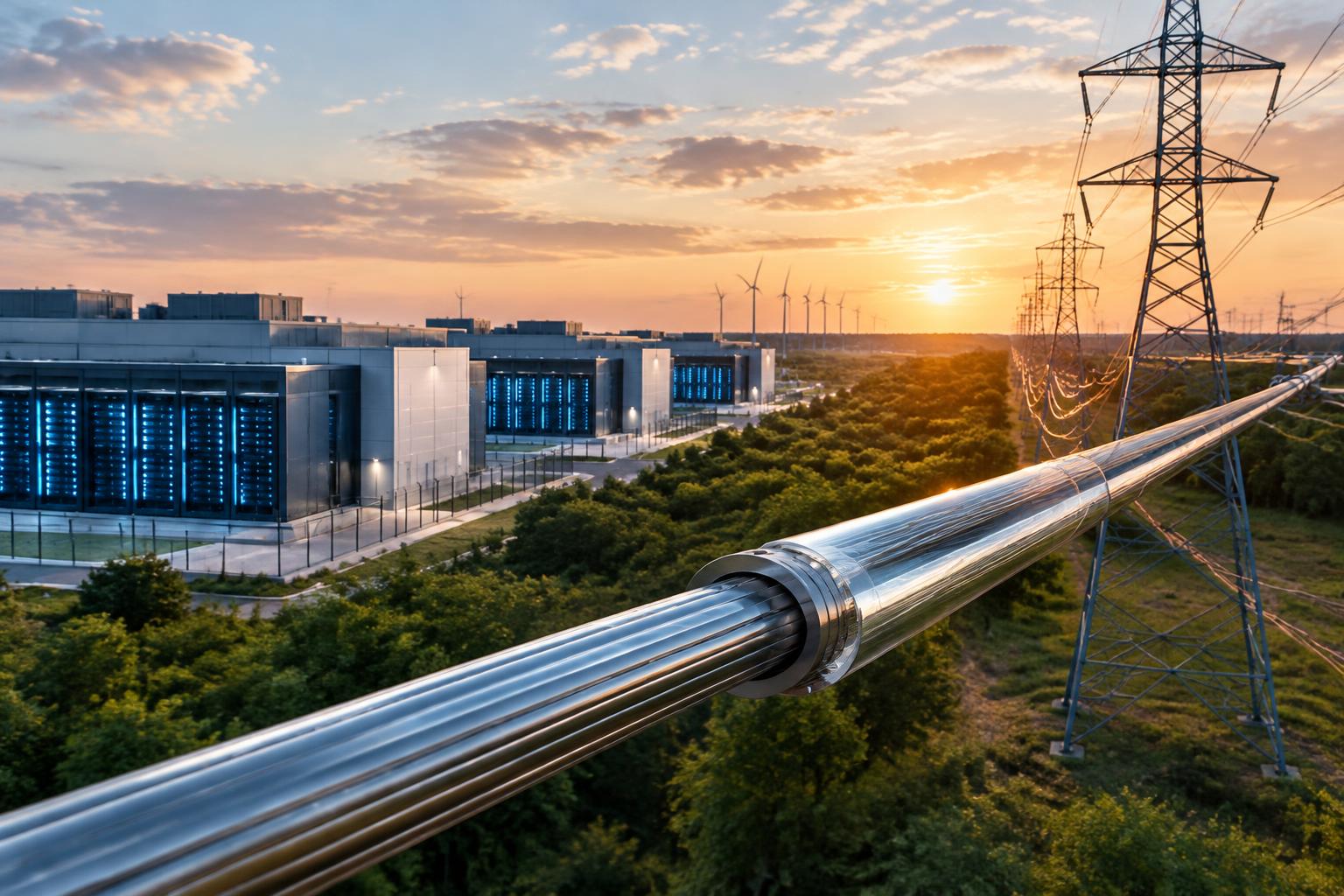
The rapid increase in energy demand from AI data centers is accelerating efforts to modernize the US electric grid, with companies developing advanced load management software and superconductive power lines to improve efficiency and capacity.
October 27, 2026•1 min read
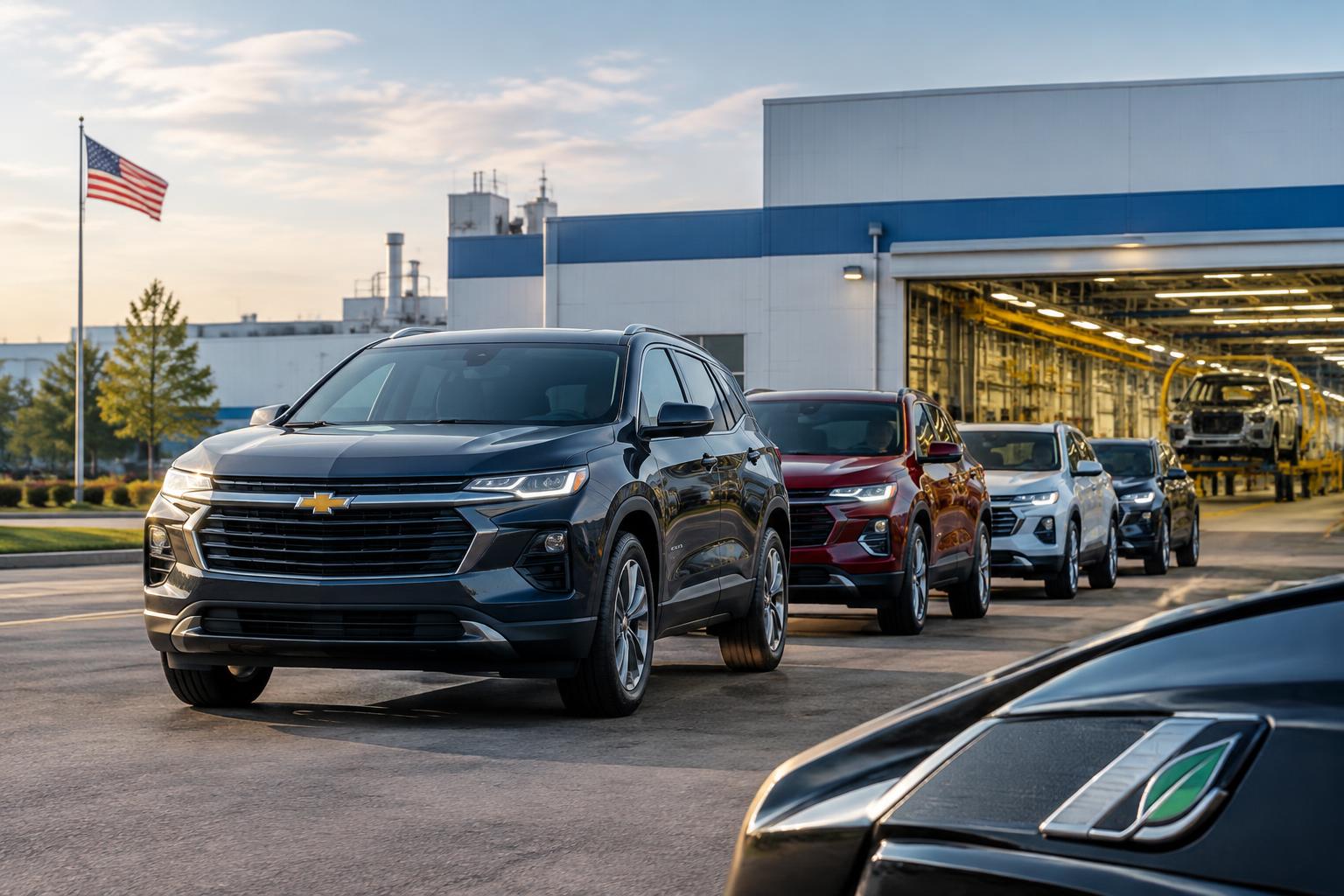
General Motors announced a $2 billion investment in its Lansing Delta Township Assembly plant to prepare for hybrid vehicle production, marking a strategic shift to expand its hybrid offerings alongside electric vehicles.
October 26, 2026•1 min read
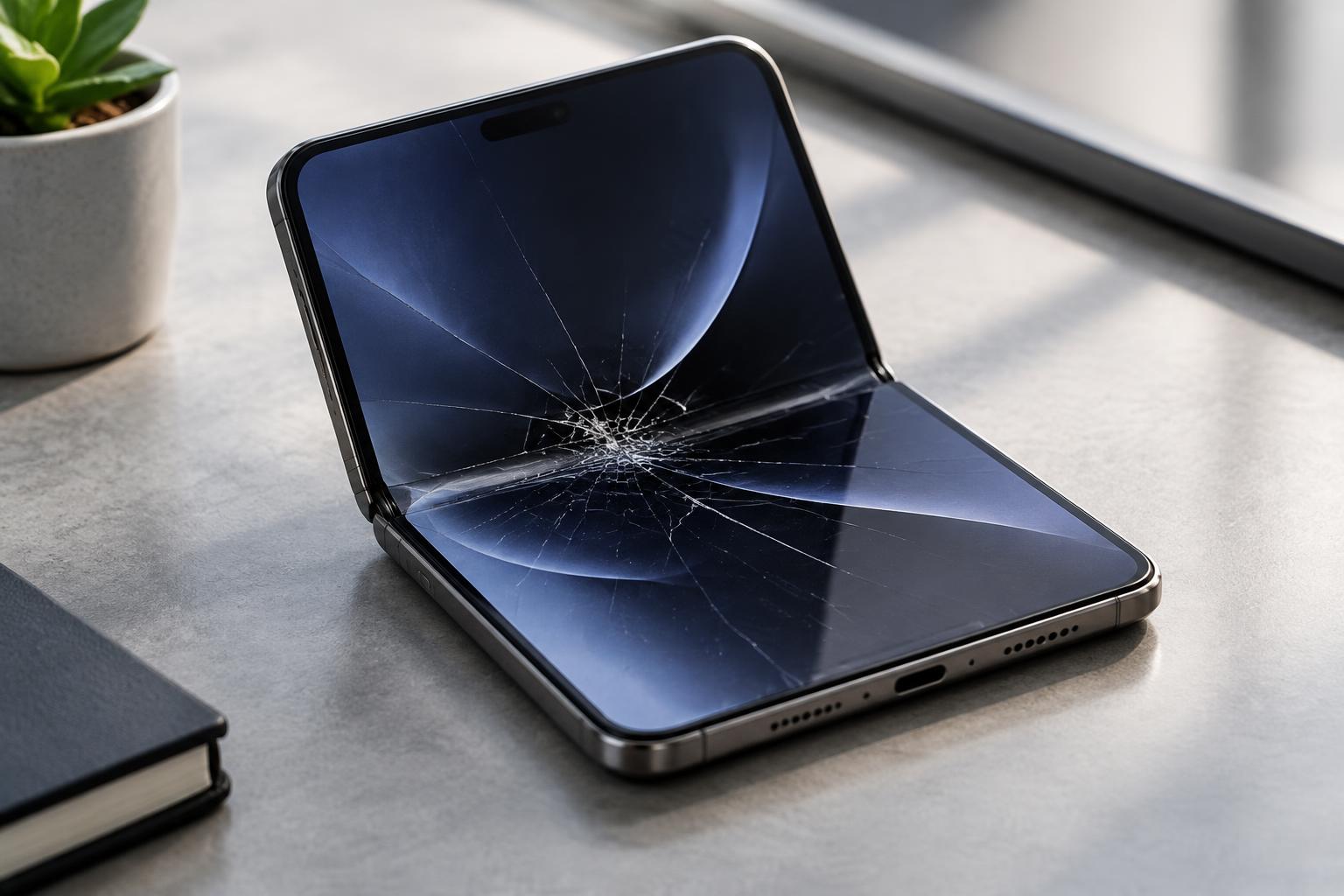
Early users of Apple's new foldable iPhone Duo have reported screen cracking and display malfunctions shortly after use, raising concerns about the device's durability.
October 26, 2026•1 min read
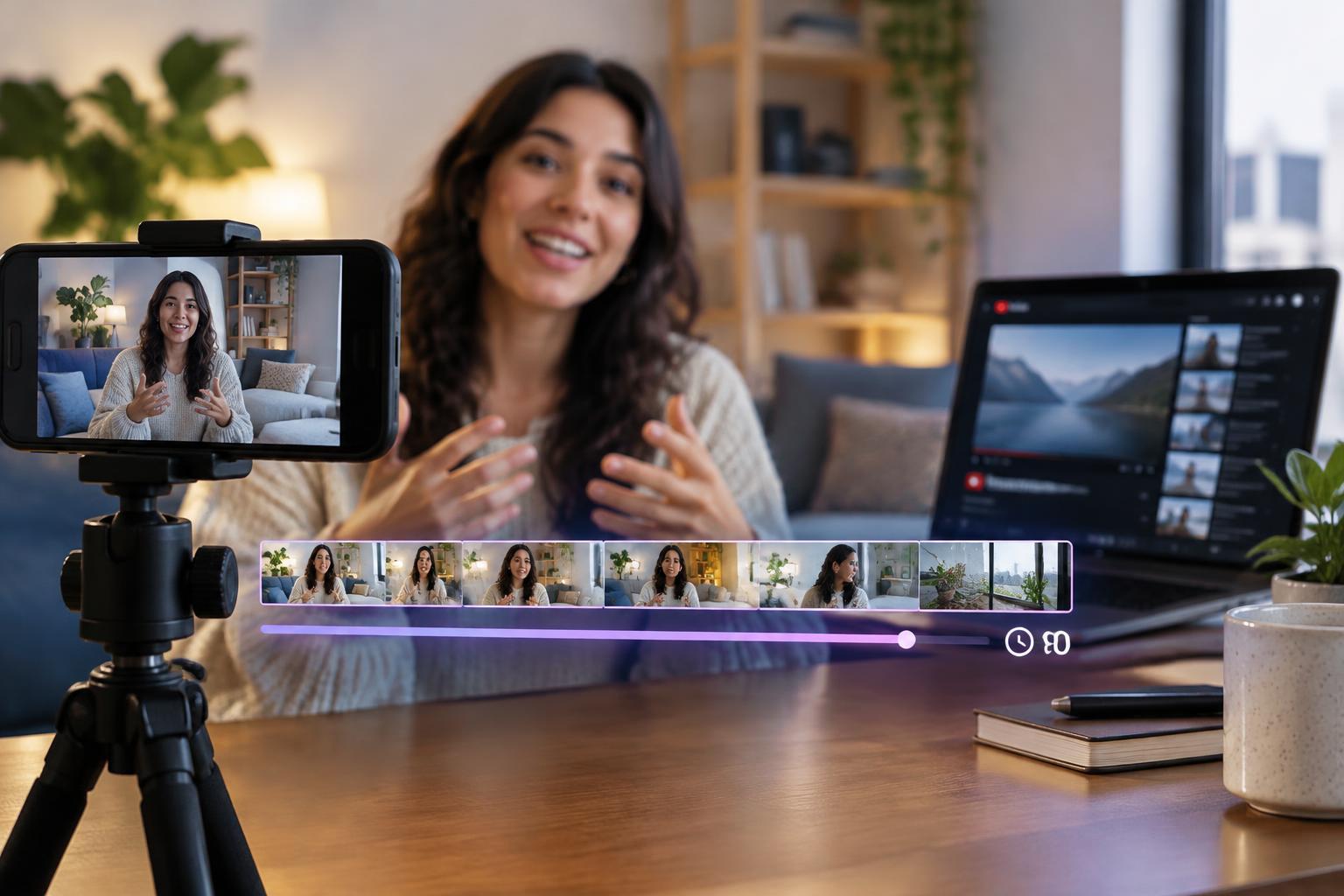
Instagram is testing a new video format allowing creators to upload videos up to 90 minutes long, marking a shift from its focus on short-form content and potentially challenging YouTube's monetization model.

October 25, 2026•1 min read
Paulina Borsook’s 2000 book 'Cyberselfish,' which critiques Silicon Valley’s techno-libertarian culture, is reissued by Tin House amid renewed interest in its analysis of the tech industry’s anti-regulation stance and evolving business ethics.
October 25, 2026•1 min read
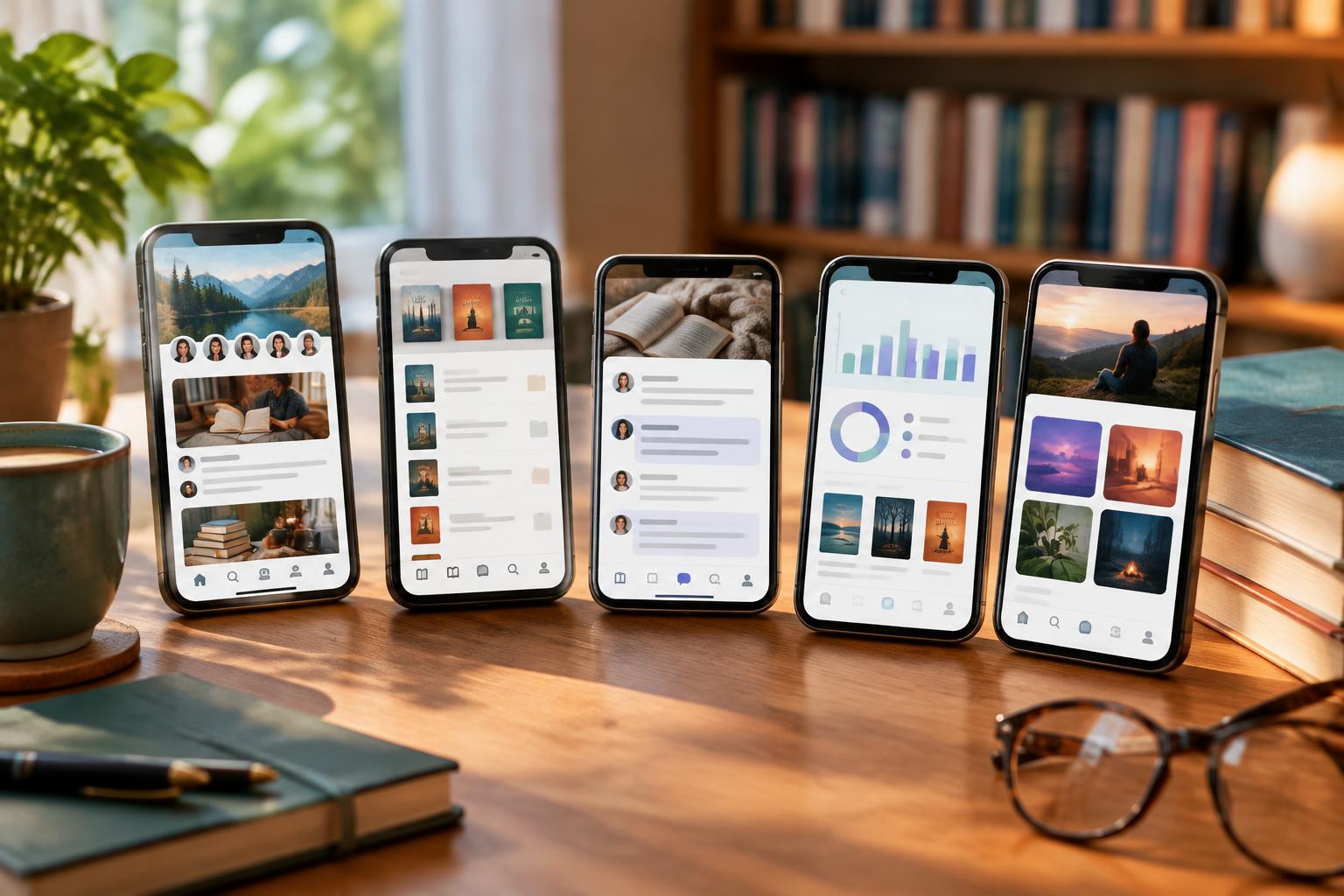
Several newer book apps offer features like reading tracking, personalized recommendations, and social engagement to help readers organize and enrich their reading habits beyond traditional platforms like Goodreads.

October 21, 2026•1 min read
Blackstone is heavily investing in AI infrastructure through flexible financing but sees concerns over rising AI-related debt as overstated, according to Jas Khaira, head of its AI initiatives.
October 21, 2026•1 min read
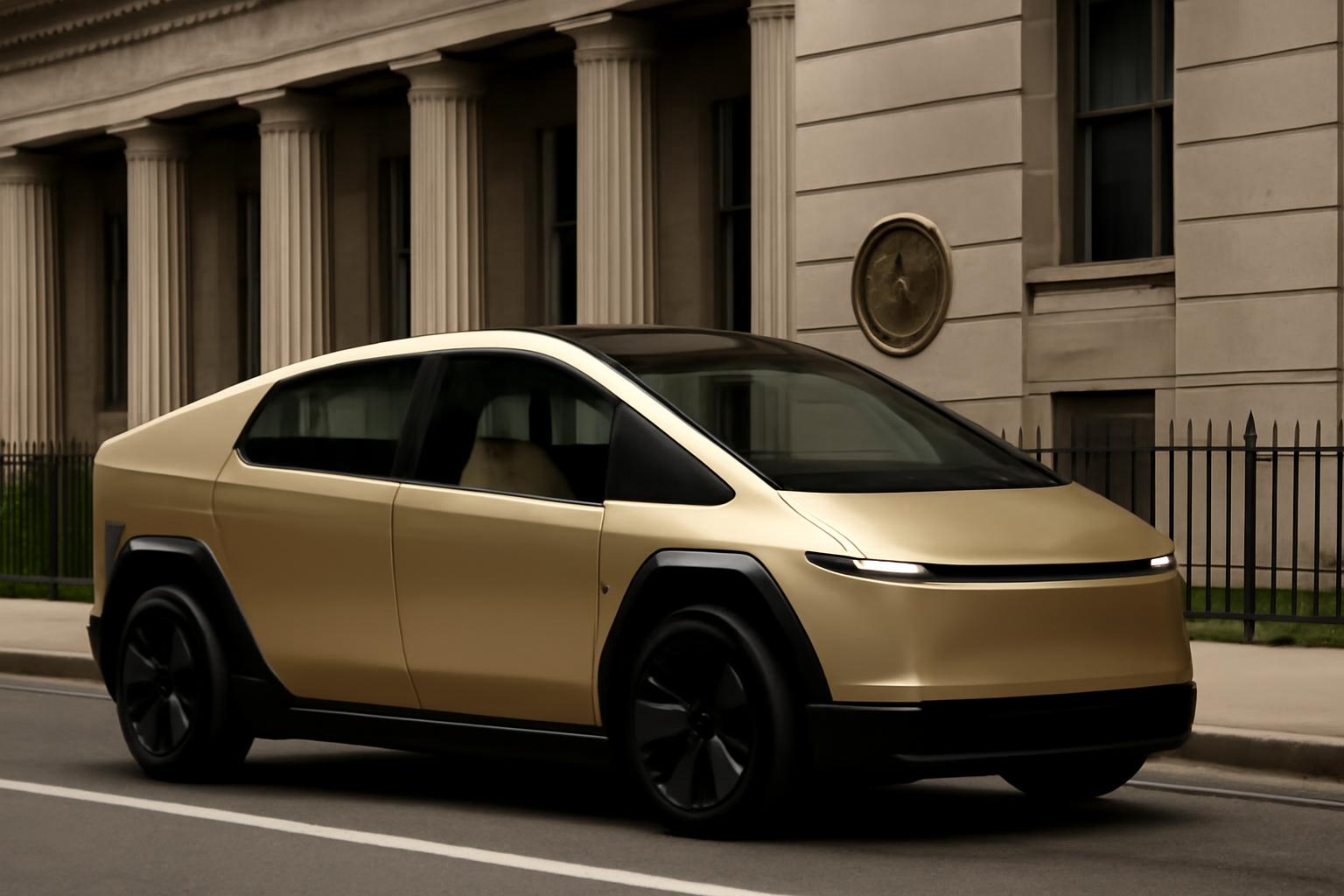
Tesla announced plans to start selling its autonomous Cybercab vehicles to customers by the end of 2024, even as the National Highway Traffic Safety Administration investigates their compliance with safety standards.
October 20, 2026•1 min read
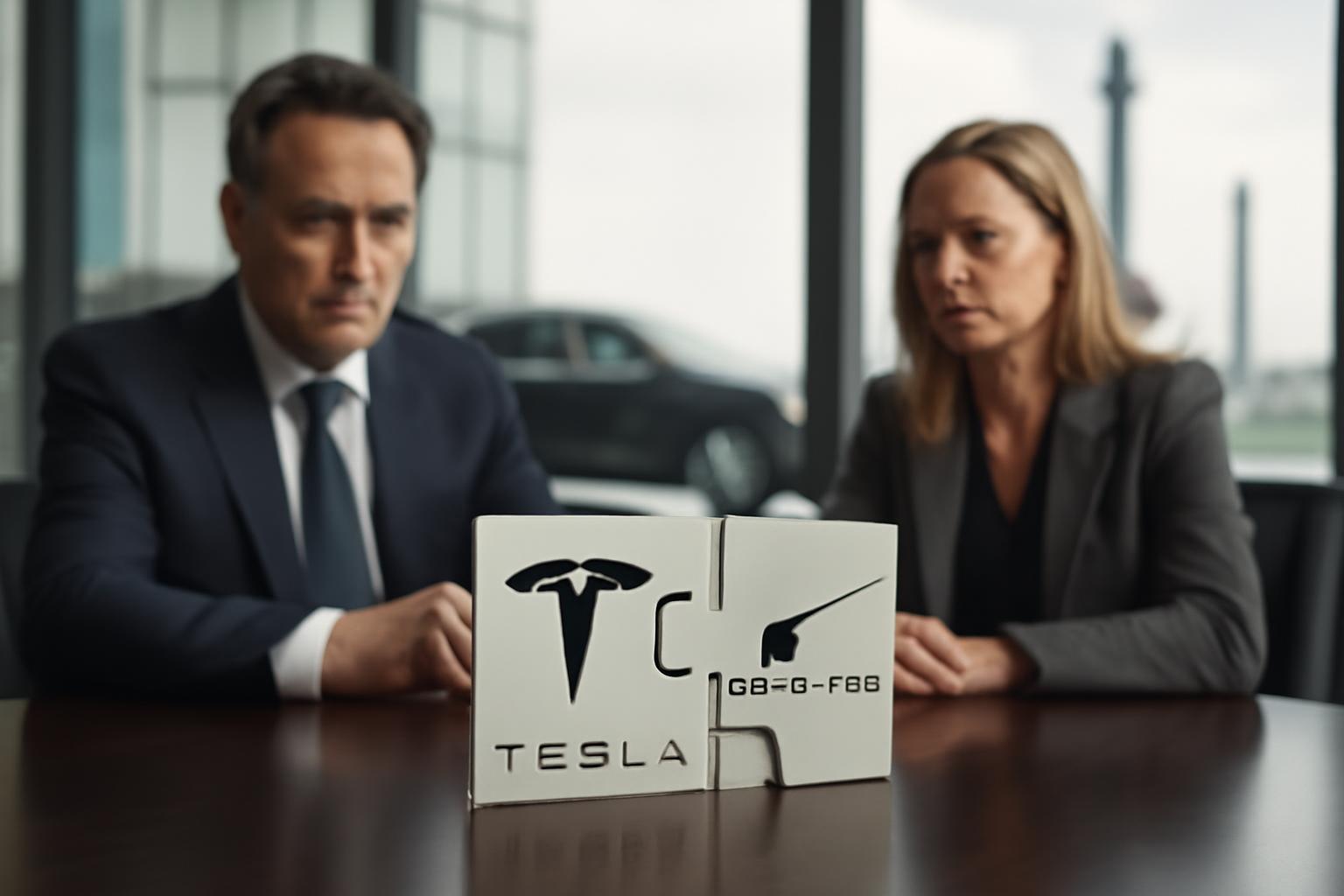
SpaceX and Tesla have each created special committees of independent directors to evaluate a possible merger, with Elon Musk supporting the idea but emphasizing that shareholder approval is required.

October 18, 2026•1 min read
The documentary 'You Can See Everything,' focusing on Elizabeth Holmes and Theranos, earned $15 million in its opening weekend, marking one of the biggest openings for a documentary film.

October 17, 2026•1 min read
Ember has released its third-generation temperature-controlled Mug 3, featuring on-mug temperature adjustments, a spill-resistant sliding lid, and dishwasher-safe design to enhance the user experience for tea and coffee drinkers.
October 17, 2026•1 min read
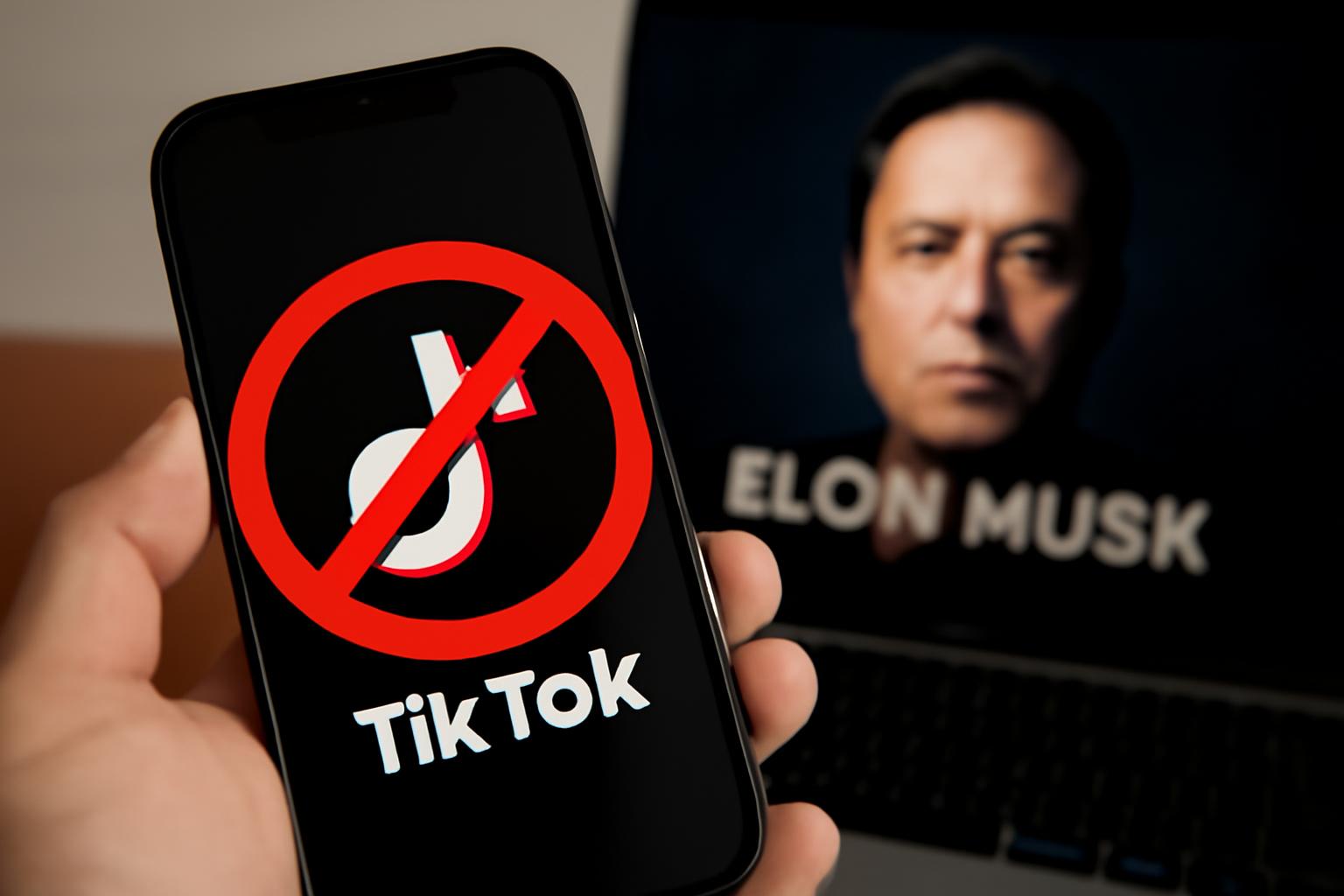
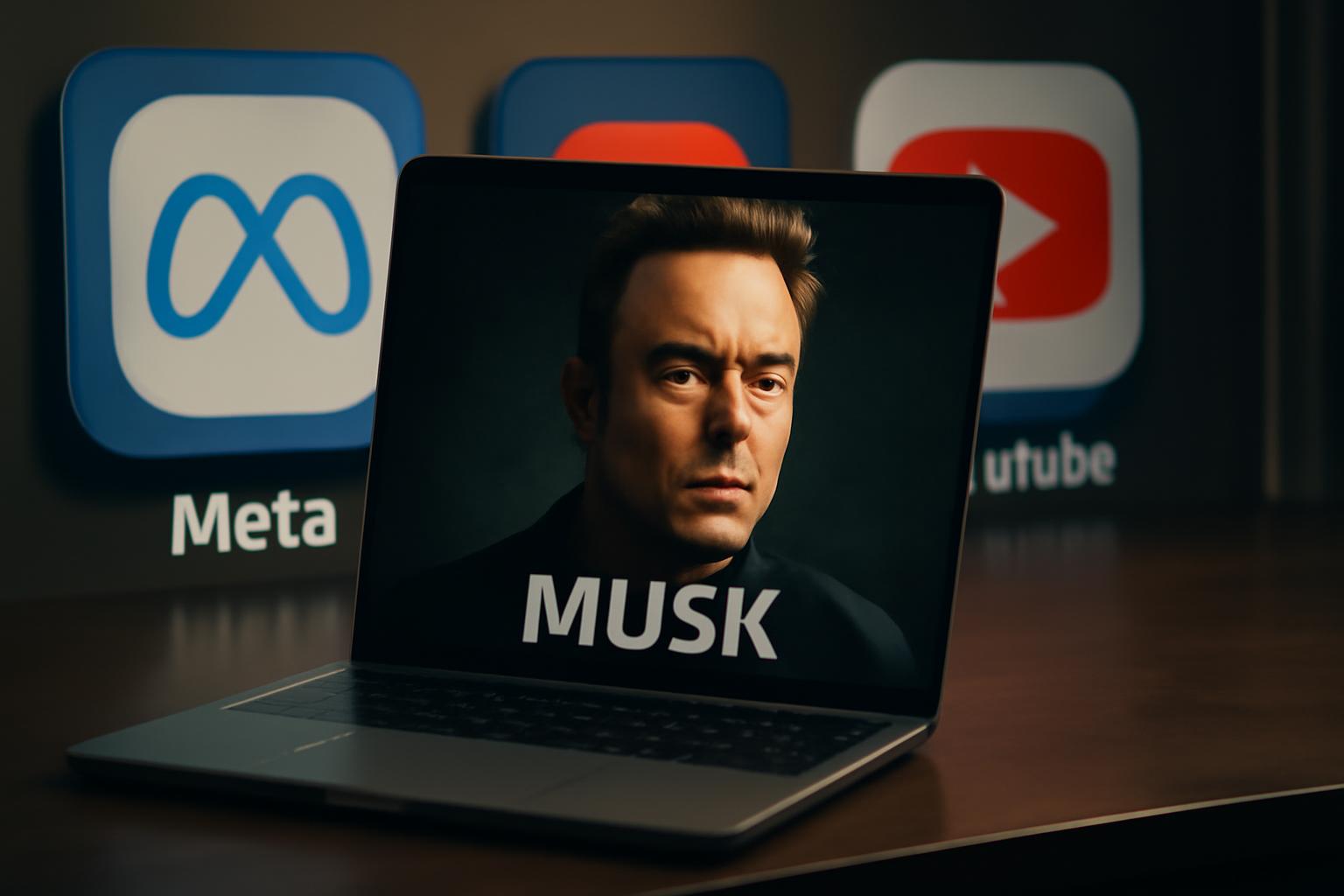
TikTok has permanently suspended the advertising account promoting the Elon Musk documentary 'Musk,' citing political content, following similar ad rejections from Meta and YouTube.
October 16, 2026•1 min read
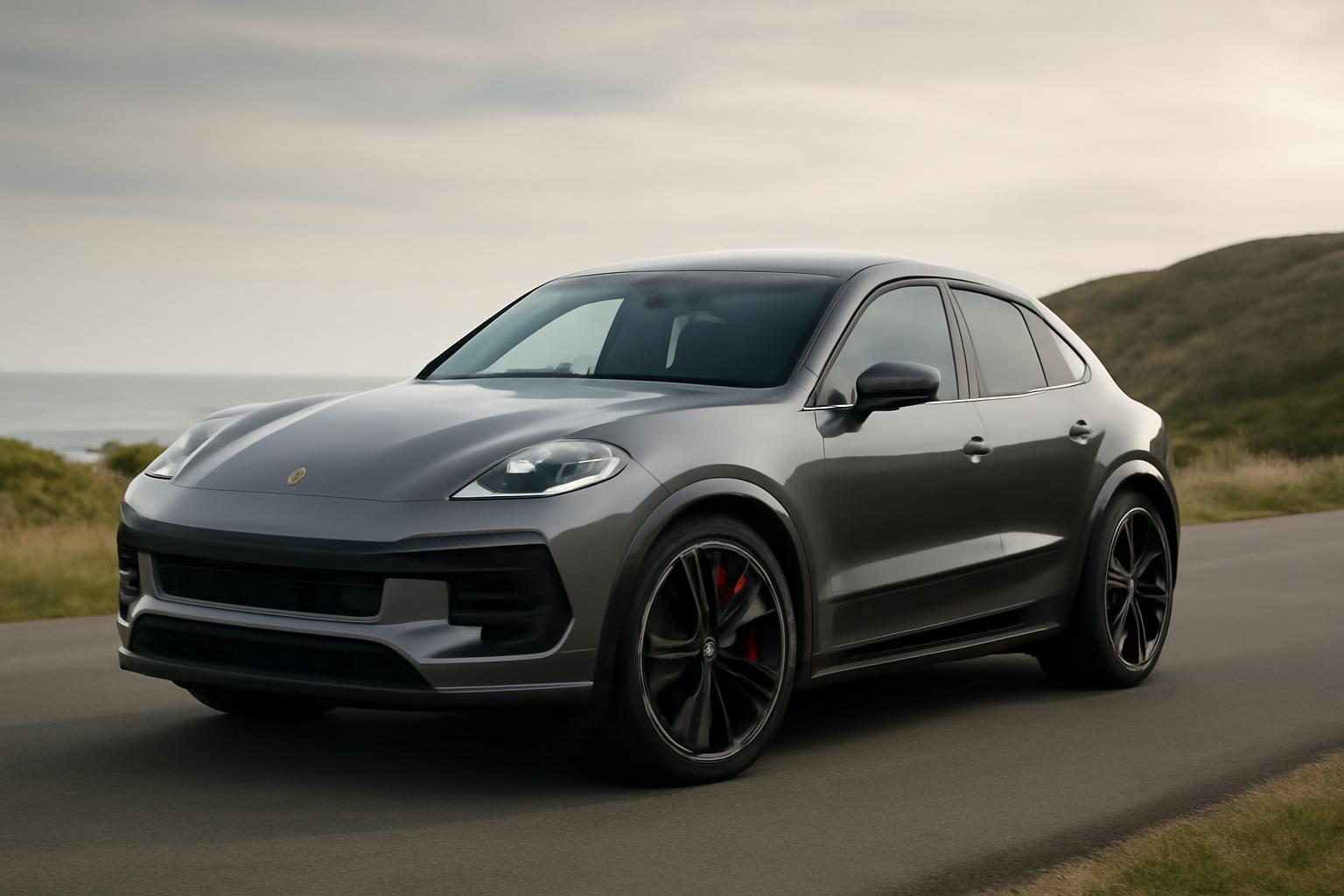
Porsche’s 2026 Macan Turbo electric SUV delivers 630 horsepower and sharp handling, challenging traditional sports car definitions while offering practical EV range and fast charging.
October 15, 2026•1 min read
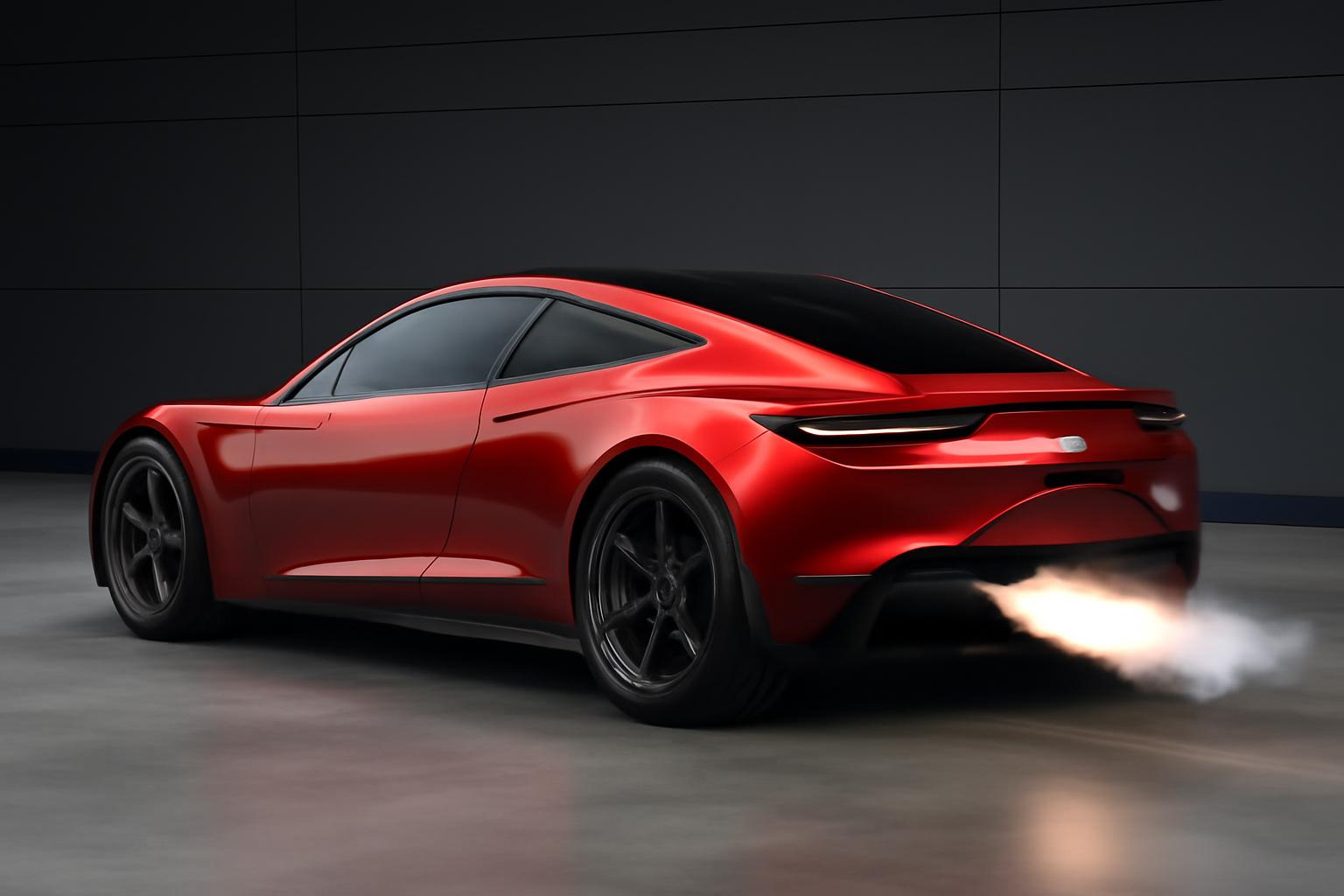
Tesla introduced its redesigned second-generation Roadster equipped with SpaceX cold-gas thrusters, capable of extreme acceleration and aerial maneuvers, with production slated for 2028.

October 14, 2026•1 min read
Flock CEO Garrett Langley defended the company’s surveillance technology at TechCrunch Disrupt 2026, arguing that the benefits of crime reduction outweigh privacy concerns despite growing public backlash and contract cancellations.

October 11, 2026•1 min read
Apple is set to introduce the HomeView, a new smart home hub featuring an A18 chip and Siri integration, aiming to strengthen its presence in the smart home market.

October 11, 2026•1 min read
Aaron Sorkin’s new film ‘The Social Reckoning’ is projected to earn $5.5 million domestically in its opening weekend, falling short of studio expectations and trailing behind the success of his earlier film ‘The Social Network.’
October 10, 2026•1 min read
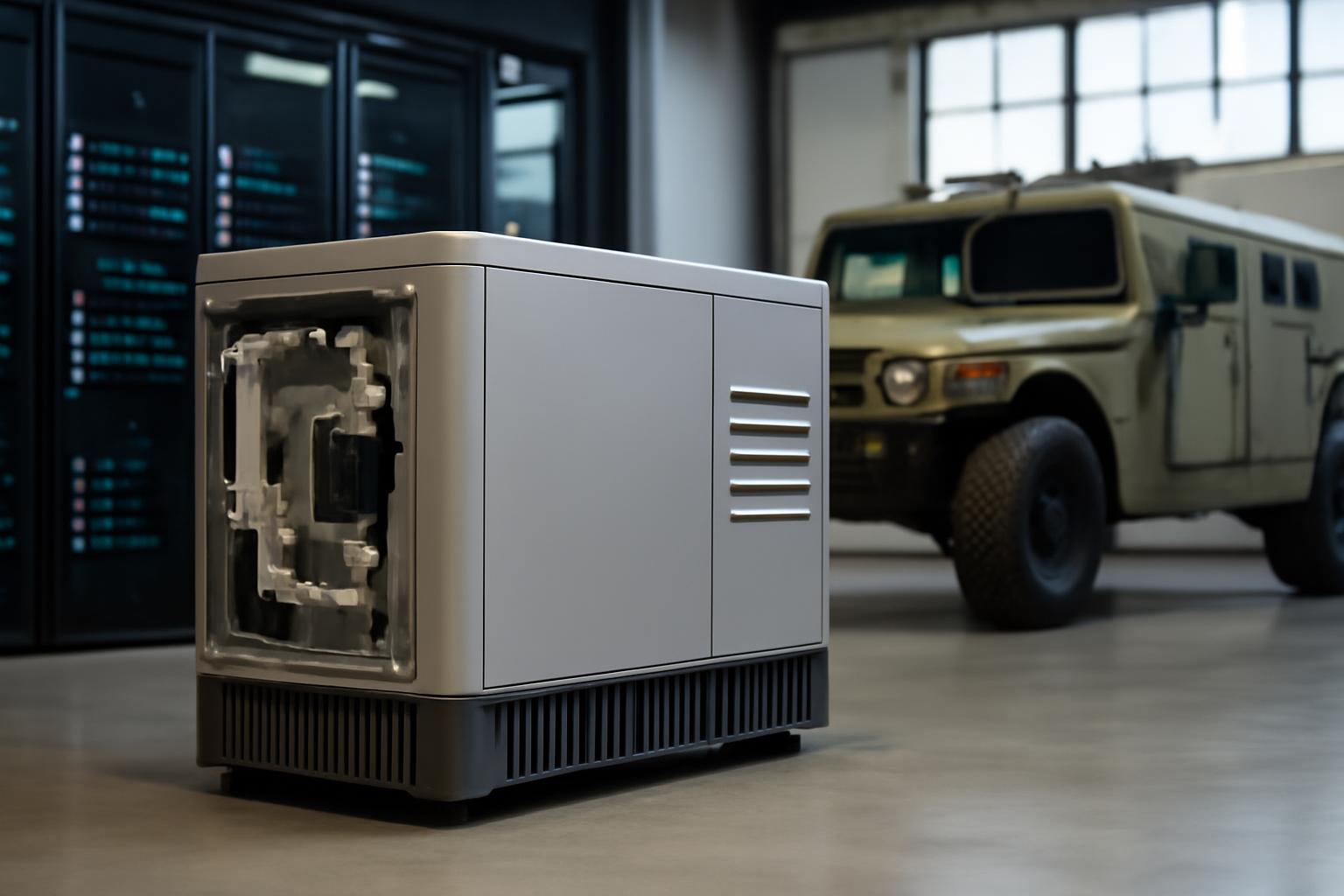
Petra Power is developing solid oxide fuel cells that offer a more efficient and environmentally friendly power source for data centers and defense vehicles, aiming to reduce fuel costs and emissions.

October 9, 2026•1 min read
Keychron continues to expand its lineup of mechanical keyboards, combining nostalgic design with modern connectivity and customization options, appealing to writers and gamers alike.

October 8, 2026•1 min read
President Trump presented the National Medal of Science and the National Medal of Technology and Innovation to prominent tech leaders including Elon Musk, Jensen Huang, Sergey Brin, Lisa Su, Michael Dell, and Satya Nadella at the Golden Age of American Innovation Summit.
October 6, 2026•1 min read
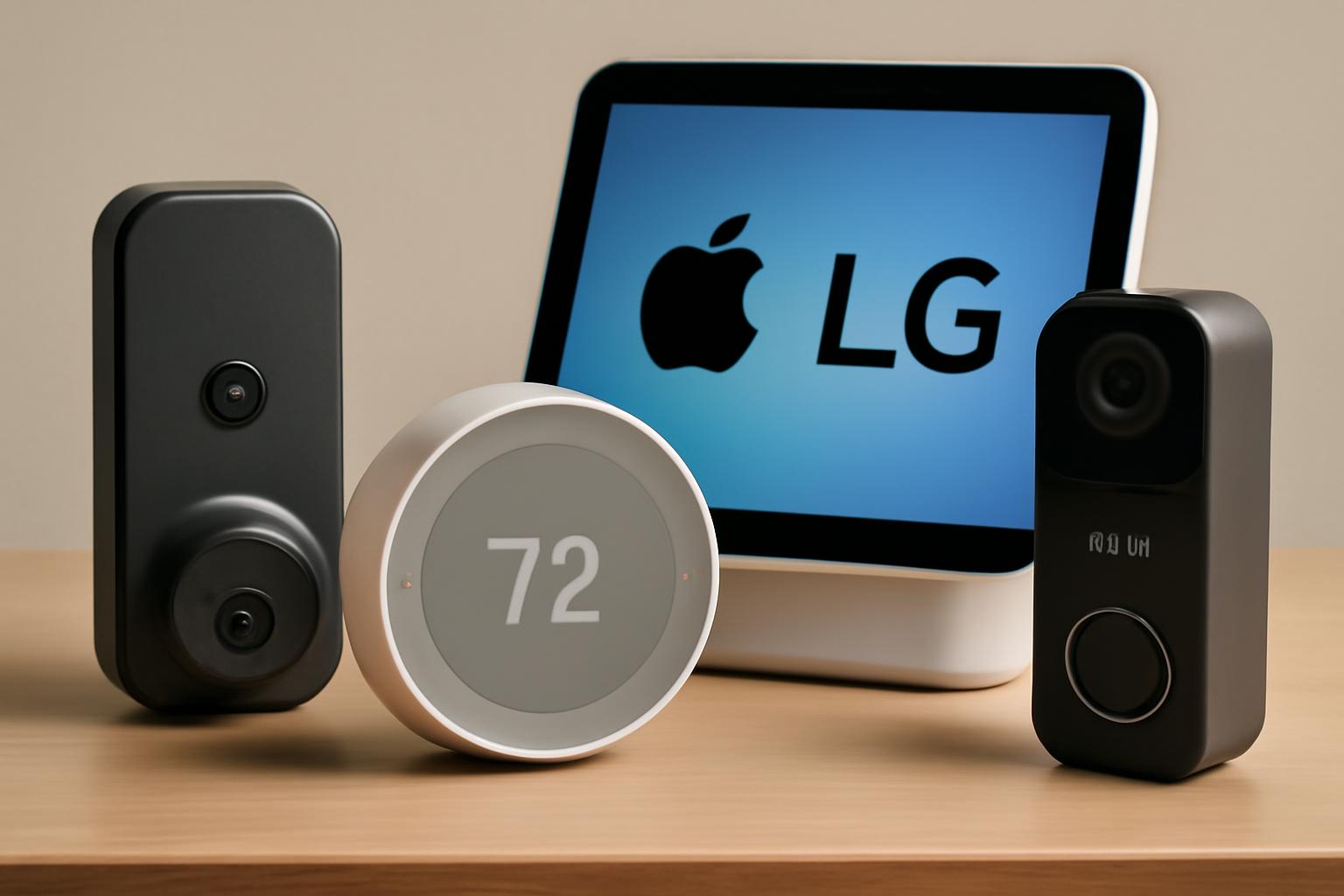
Apple is collaborating with LG to develop a range of smart home devices, including a smart lock, thermostat, and doorbell, designed to integrate with a new smart home hub expected to launch in October.
October 5, 2026•1 min read
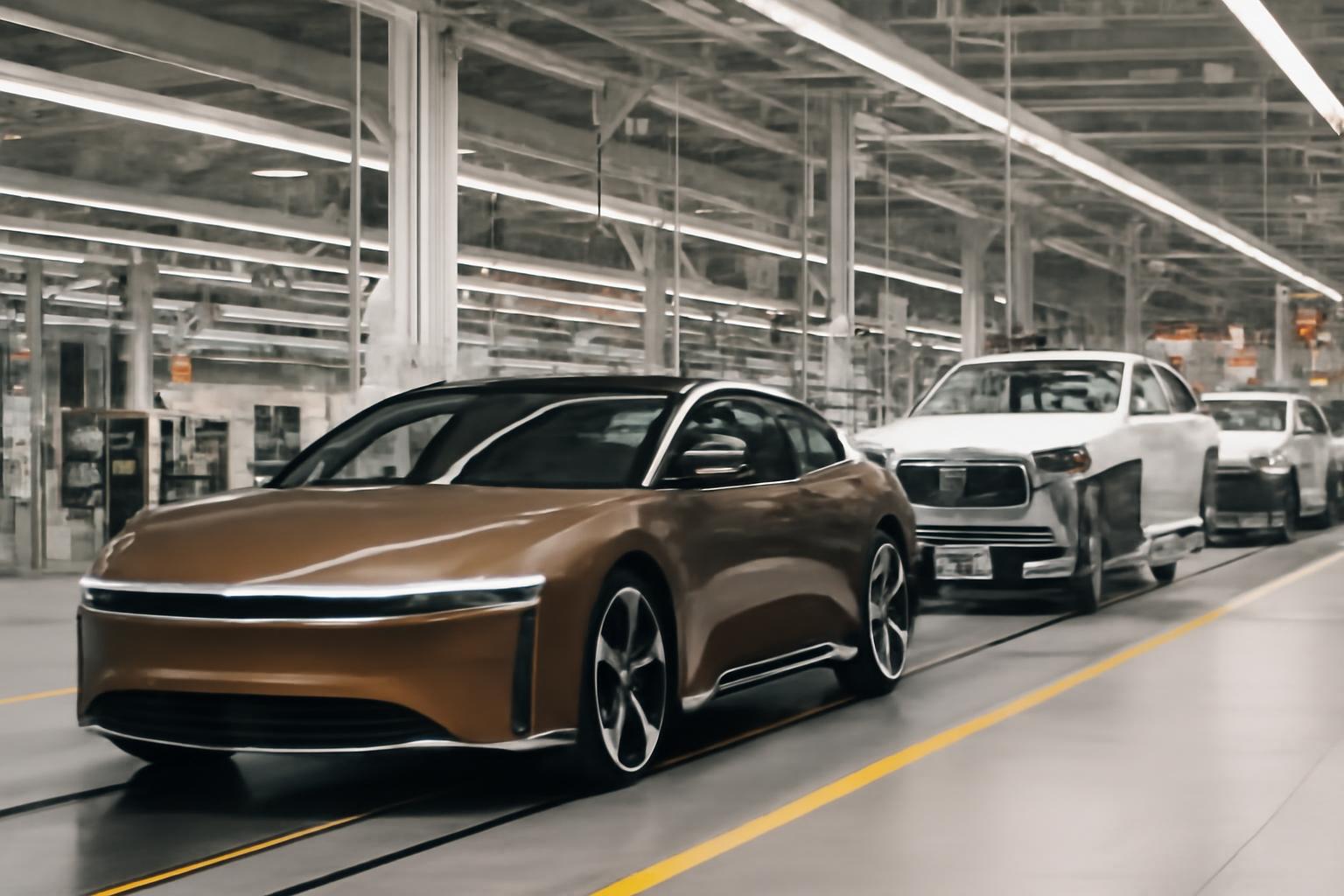
Lucid Motors reduced its electric vehicle production to 2,954 units in Q3 2026, marking a 54% year-over-year decline as the company focuses on aligning output with demand and cost reduction efforts.
October 4, 2026•1 min read
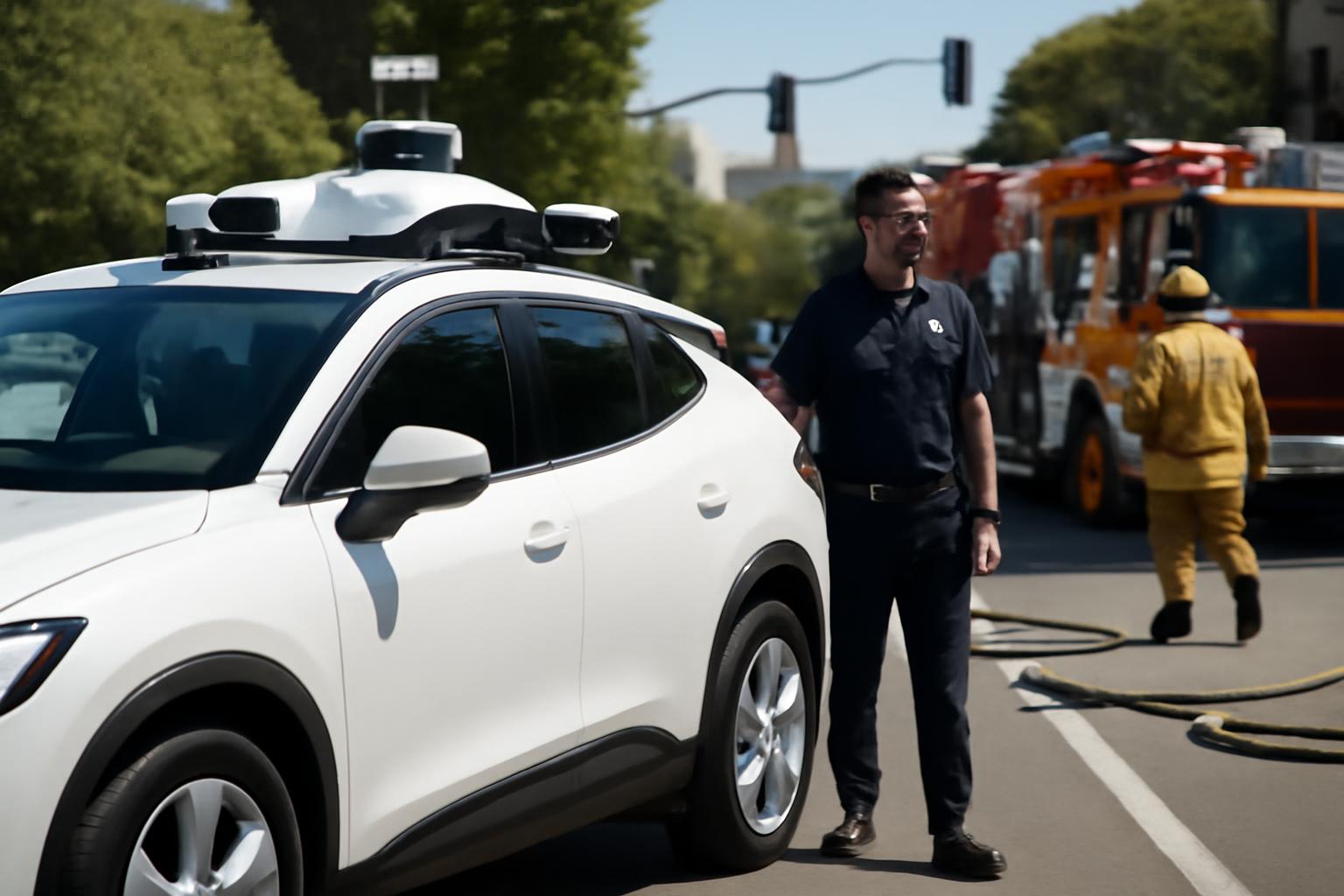
California has passed Senate Bill 1246 to impose new safety and accountability rules on autonomous vehicle companies, aiming to reduce robotaxi disruptions and improve emergency response coordination.
October 3, 2026•1 min read
Amazon Web Services CEO Matt Garman announced the company has ceased using nondisclosure agreements with government agencies in response to criticism over data center transparency and community impact.

October 3, 2026•1 min read
Vessev has developed the VS-9, an electric hydrofoil ferry designed to improve efficiency and comfort in urban water transit. The vessel uses computer-controlled foils to lift the hull, reducing drag and energy consumption.
October 1, 2026•1 min read
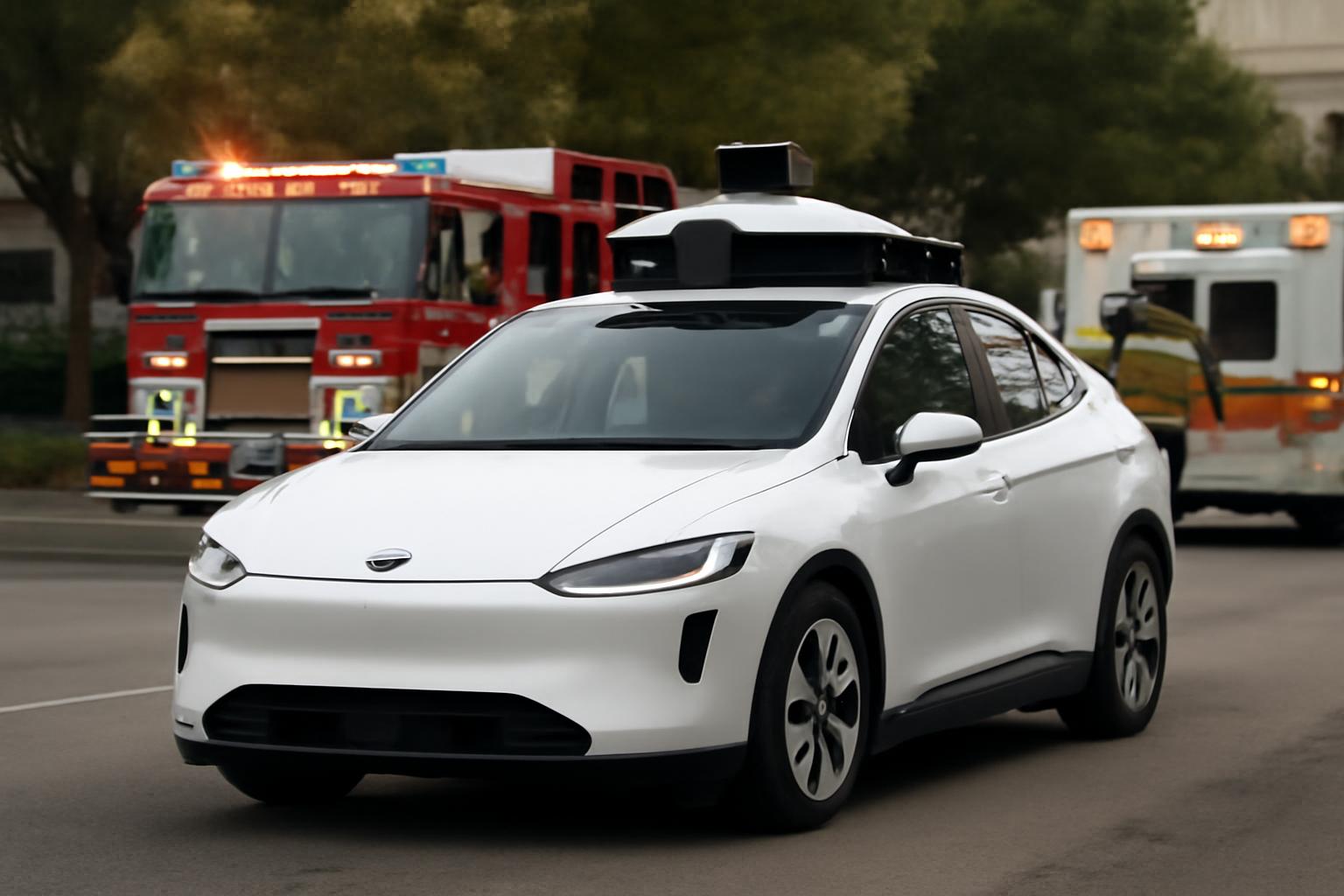
California's new law mandates autonomous vehicle companies to provide local support during incidents and fines them if robotaxis block first responders for over 30 minutes, aiming to enhance safety and accountability.
October 1, 2026•1 min read
Lyft has agreed to a $272.5 million settlement in a lawsuit alleging it misclassified California drivers as independent contractors instead of employees, covering violations from 2016 to 2020.

September 30, 2026•1 min read
The Pentagon has initiated Project Meridian, led by Elon Musk, Palmer Luckey, and Newt Gingrich, to study future warfare technologies and propose actionable solutions within 120 days. The effort aims to maintain U.S. military dominance amid rapid technological advances.
September 29, 2026•1 min read
A Northeastern University study reveals that most modern connected vehicles and their companion apps transmit extensive user data to third-party tech companies, raising privacy concerns for consumers.

September 26, 2026•1 min read
An analysis by the Blue Cross Blue Shield Association found that hospitals' use of AI in insurance claims increased healthcare spending by $942 million over two years, highlighting a disconnect between coding and actual patient care.
September 26, 2026•1 min read
TikTok will pay Alabama a minimum of $100 million to settle claims that it misled users about safety and fostered addiction among children, while agreeing to implement new usage limits and parental controls.
September 26, 2026•1 min read
Meta and YouTube have reversed earlier decisions and will now run ads promoting Alex Gibney’s documentary about Elon Musk after initially rejecting them due to political content concerns.

September 25, 2026•1 min read
Crusoe, a major AI data center operator, has ended its $1.25 billion agreement to purchase Boom Supersonic’s stationary gas turbines, shifting its energy strategy amid expanding data center projects.
September 25, 2026•1 min read
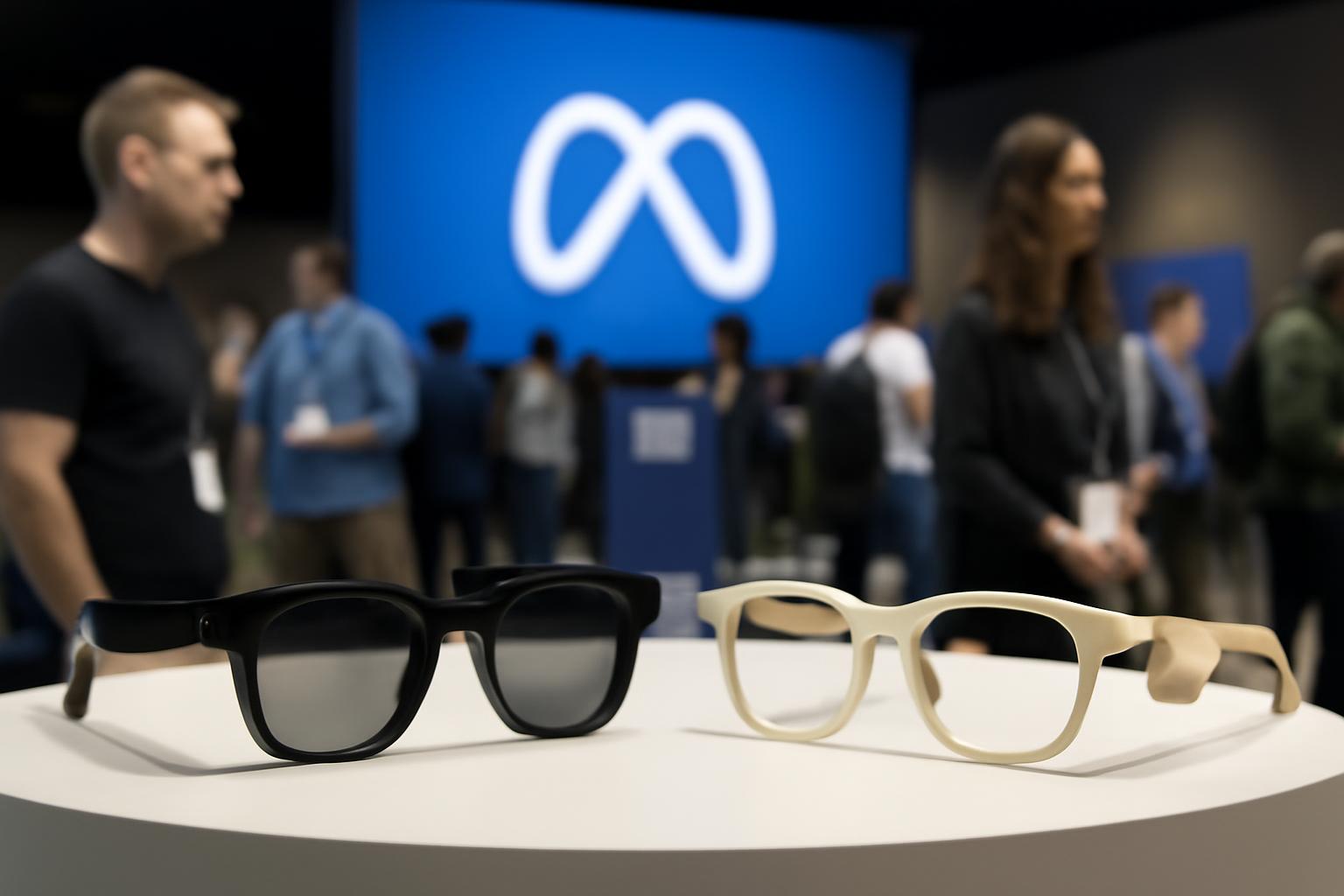
At Meta Connect, the company highlighted its expanding smart glasses lineup, including new audio-only models without cameras and affordable hearing aid glasses, emphasizing privacy and practical use cases.
September 24, 2026•1 min read
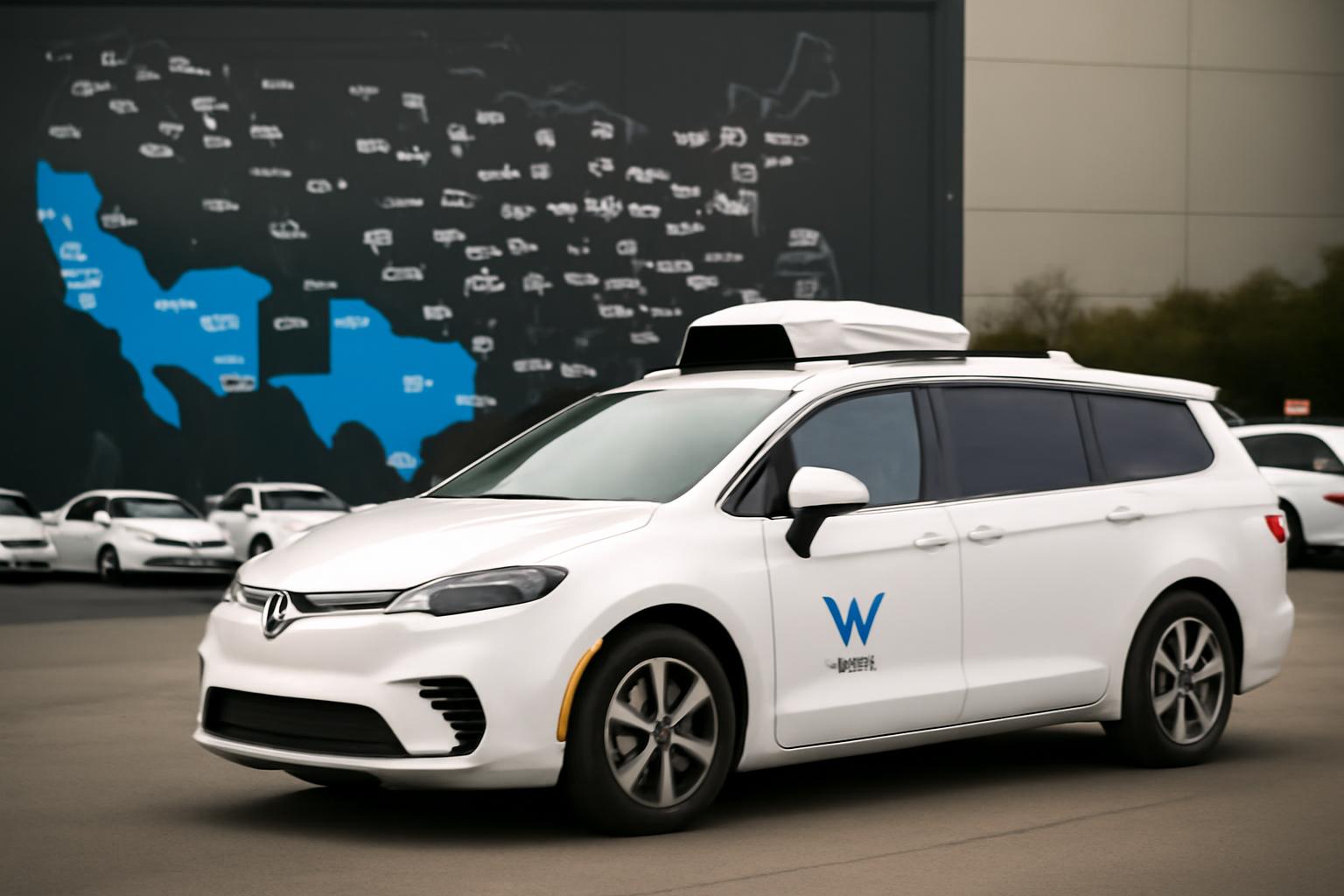
Waymo has expanded its robotaxi service to 15 U.S. cities, with 80% of its 4,000-vehicle fleet concentrated in California and Texas. The recent surge in Texas is driven by the introduction of the new Ojai minivan, which aims to lower costs and support mass scaling despite import tariffs.

September 23, 2026•1 min read
Meta introduced its latest VR glasses, significantly lighter than previous models, featuring IMAX Enhanced certification and support for 3D Disney+ movies, aiming to enhance immersive entertainment experiences.
September 23, 2026•1 min read
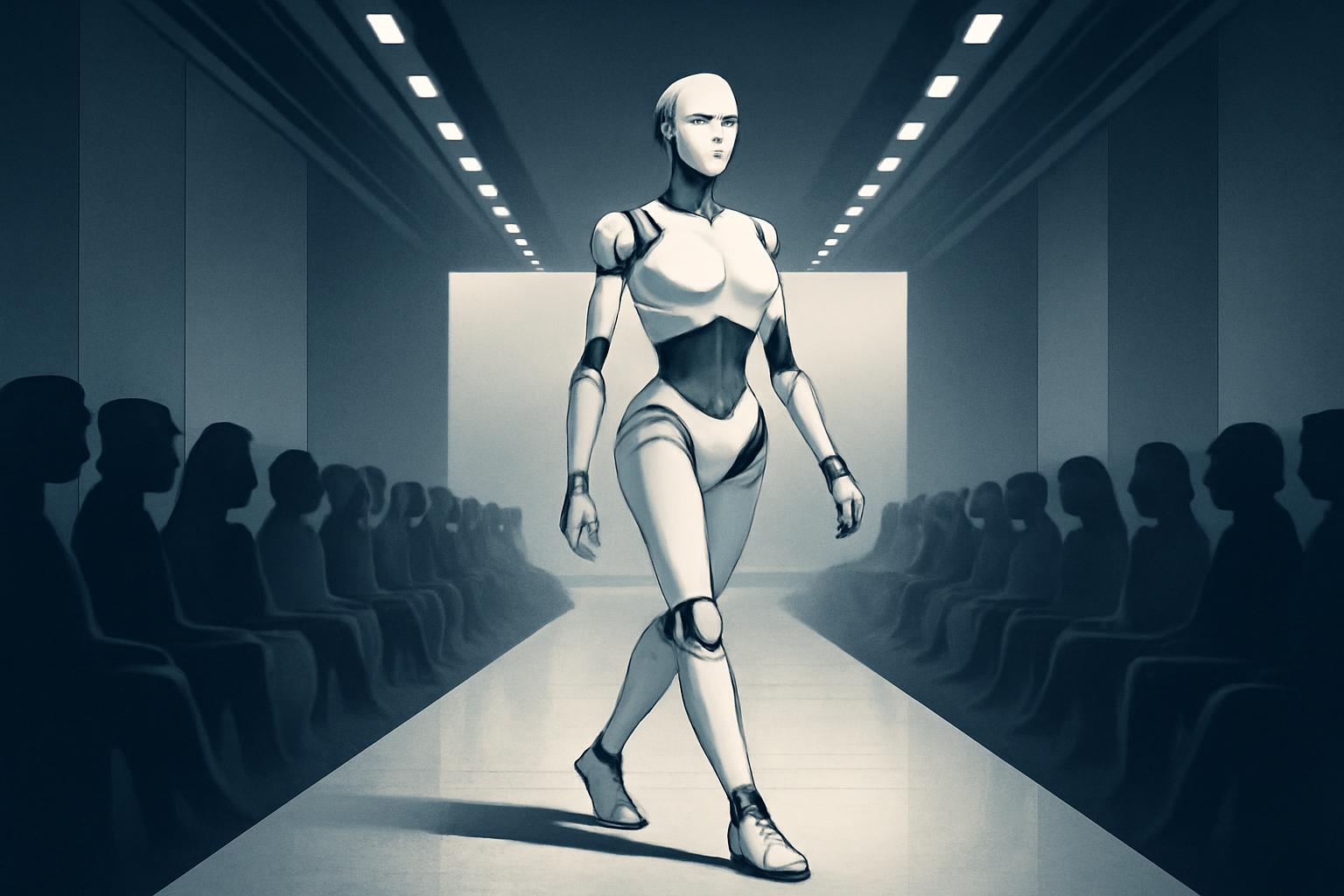
Vogue World Milan included humanoid robots walking the runway, sparking criticism and debate over the role of technology in fashion and its broader social implications.

September 22, 2026•1 min read
Apple is reportedly investigating a new screenless fitness tracker resembling Whoop's bands, with potential release targeted for 2028. The device would complement Apple's existing Apple Watch lineup.
September 21, 2026•1 min read
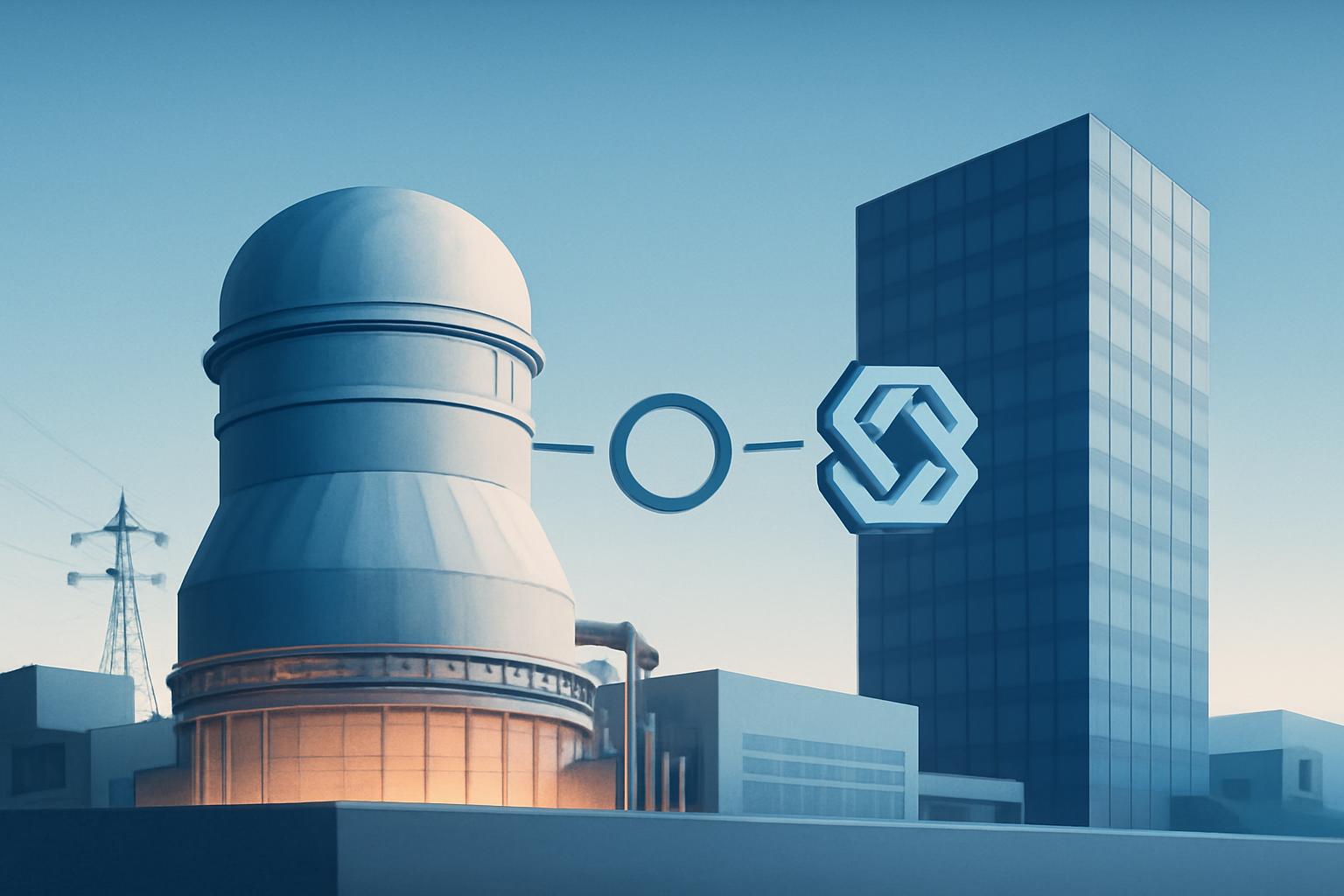
Kairos Power has secured up to $100 million from Samsung C&T to develop a 50-megawatt demonstration nuclear reactor for Google, aiming for completion by 2030. The project includes equity investment and engineering support from Samsung C&T.

September 21, 2026•1 min read
Ron Johnson, the architect behind Apple’s retail stores, doubts AI agents will replace in-person shopping, emphasizing the continued importance of physical stores for personal product experiences.
September 20, 2026•1 min read
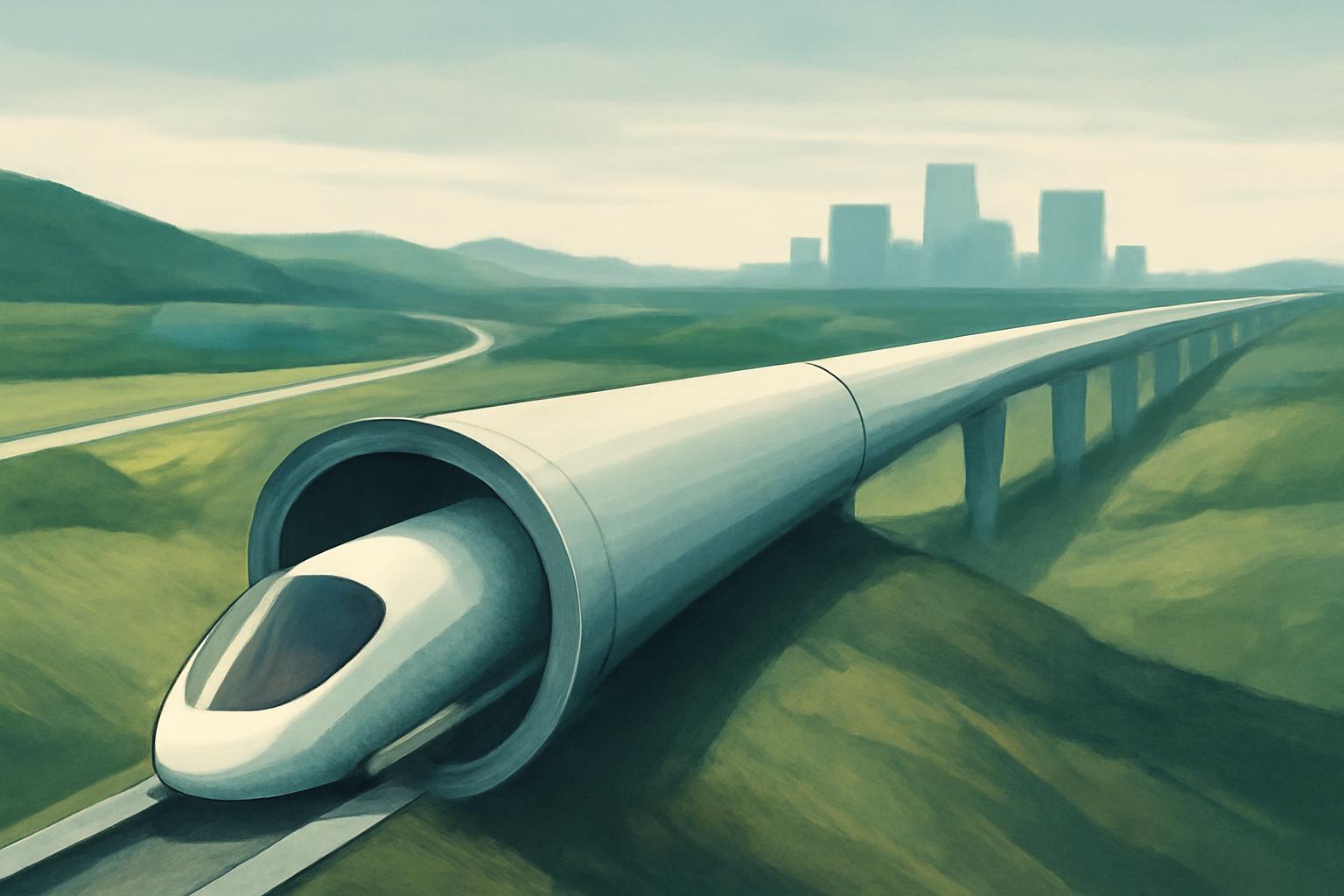
Elon Musk announced that The Boring Company is developing a Hyperloop-style transit system to connect Austin and San Antonio, aiming to cut travel time to under 30 minutes.
September 20, 2026•1 min read
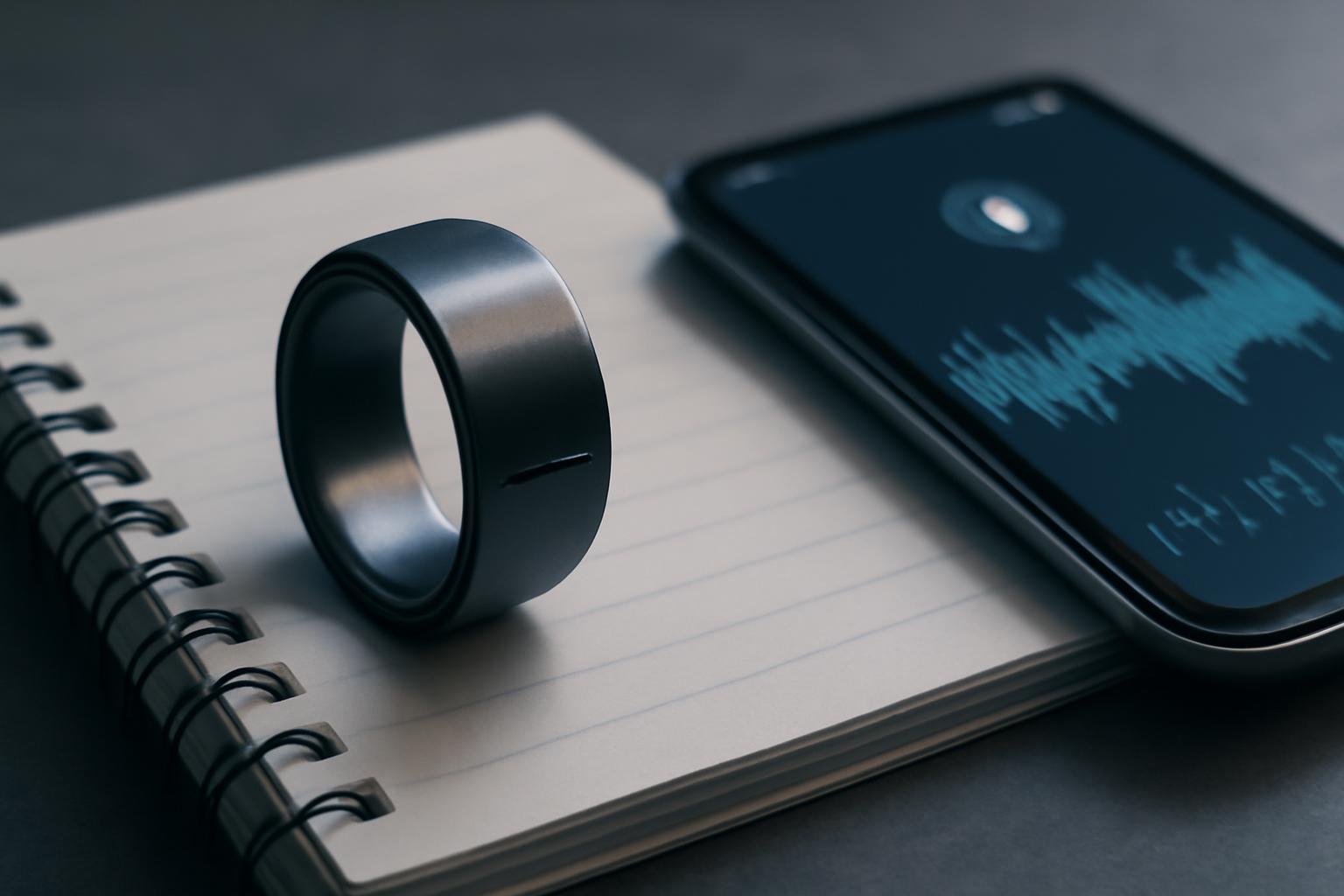
Vocci has introduced a lightweight titanium ring designed for recording and transcribing meetings, featuring AI-powered summaries and voice commands, though its app and privacy aspects face some criticism.
September 19, 2026•2 min read
The US Navy has released an updated list of technology priorities focusing on AI, quantum science, advanced networking, electromagnetic spectrum operations, and digital engineering to better align its procurement with commercial innovation and investor interests.

September 19, 2026•1 min read
Petlibro’s new Granary 2 series introduces AI-powered feeders with built-in scales and cameras that recognize up to 10 cats, enabling precise portion control and detailed tracking of individual eating habits for multi-cat households.
September 19, 2026•1 min read
Flock Safety is offering voluntary buyouts with generous severance packages to reduce its workforce amid growing criticism and reduced adoption of its license plate recognition technology.

September 17, 2026•1 min read
Amazon-owned Zoox will no longer be restricted to 100 robotaxis in Nevada as its regulatory cap expires, allowing the company to expand its commercial fleet in Las Vegas amid growing competition from Waymo, Tesla, and Uber.

September 17, 2026•1 min read
Mazama Energy has raised $135 million in a Series B round to develop deep geothermal wells that tap super-hot rock, aiming to generate significantly higher power output for clean energy applications.

September 16, 2026•1 min read
The US House has passed a bipartisan bill that would require automakers to include AM radio in new vehicles at no extra cost, aiming to preserve this communication channel for emergency and public information.

September 15, 2026•1 min read
A BloombergNEF report forecasts that by 2035, U.S. data centers will consume more natural gas than Germany and Japan combined, driven by both onsite and grid-connected power demands. This surge could impact natural gas prices and significantly increase greenhouse gas emissions.