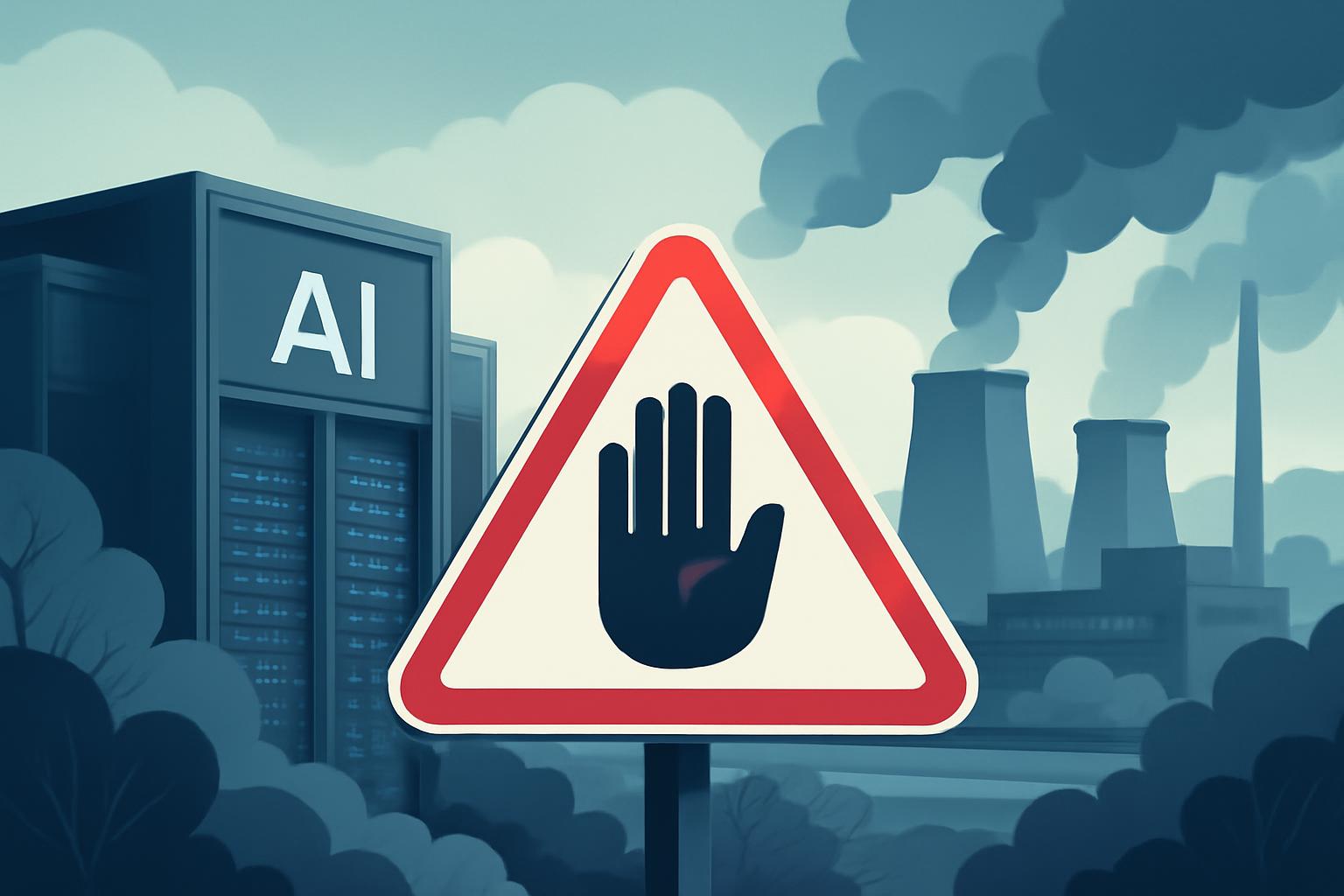
The rapid growth of AI data centers in the United States is prompting debates among residents about the potential impact on their communities. While data center operators highlight job creation and economic benefits, many local residents remain skeptical, citing environmental and energy concerns.
In Philadelphia’s Grays Ferry neighborhood, longtime resident and activist Shawmar Pitts has witnessed firsthand the effects of industrial pollution. Living near the former East Coast’s largest oil refinery, which closed after a 2019 explosion, Pitts observed widespread health problems among neighbors and family members. His involvement with environmental justice group Philly Thrive has led him to advocate for a moratorium on data center construction in the city.
Opposition to new data centers is not unique to Philadelphia. Across the country, communities—particularly those already burdened by industrial pollution—are voicing concerns about increased emissions, noise, and resource consumption. Activists argue that data centers may not deliver promised economic benefits and could exacerbate existing environmental injustices.
Although data centers consume less energy than large refineries, their growing demand for natural gas is significant. BloombergNEF projects that by 2035, U.S. data centers will use more natural gas than Germany and Japan combined, nearly doubling previous estimates. Burning natural gas emits carbon dioxide and contributes to greenhouse gas pollution, which researchers link to millions of premature deaths worldwide.
Environmental advocates highlight additional issues such as diesel engine emissions from backup generators, which may be used more frequently during power grid stress, particularly during heatwaves intensified by climate change.
In response to these concerns, some states and cities have implemented temporary moratoriums on new data center permits. New York Governor Kathy Hochul issued an executive order halting approvals for large projects until further review. Cities including Denver, Indianapolis, Asheville, Charlotte, and Reno have also enacted moratoriums to better understand the environmental and social impacts.
Local residents express worries beyond pollution, including potential surveillance risks and the strain on water and electricity supplies that could affect vulnerable neighborhoods.
Community activism continues to grow, with rallies drawing significant participation as residents urge policymakers to consider the long-term consequences of data center expansion. For activists like Pitts, collective action is essential to ensure that technological progress does not come at the expense of public health and environmental justice.